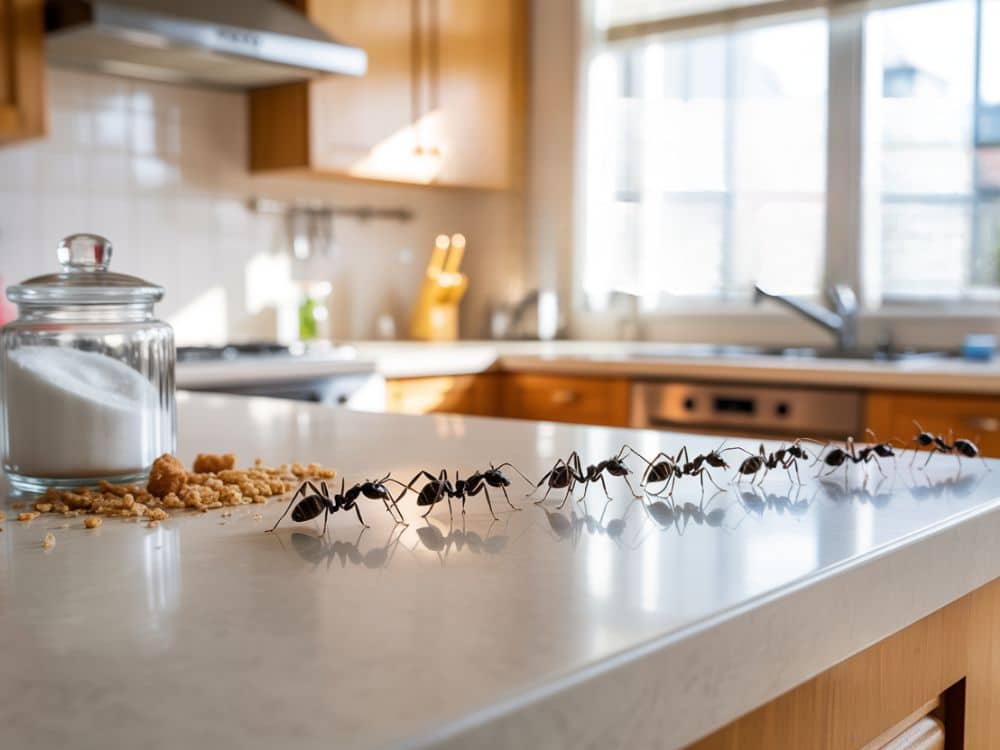
Finding a trail of black ants marching across your kitchen counter can feel both frustrating and oddly mysterious – especially when they seem to appear out of nowhere. If you’ve ever wondered, “why do I suddenly have black ants in my house?” you’re not alone.
This tiny but persistent problem happens to millions of homeowners every year.
This post is here to help you handle it calmly and effectively. Together, we’ll uncover the most common reasons these little intruders show up, learn how to tell what kind of black ants you’re dealing with, and go through gentle yet proven ways to send them away for good.
You’ll discover how to trace where they’re coming from, remove what’s attracting them to your space, and decide whether simple home remedies or professional pest control is the right fit for you.
Common Reasons Black Ants Enter Your Home
Food sources attract foraging worker ants
Black ants have an incredible sense of smell – they can detect even the tiniest crumbs or sticky spots from impressive distances. What feels like “nothing” to us can smell like a full buffet to them. Once a worker ant finds something delicious, it leaves a scent trail that guides hundreds of others right into your kitchen.
Pet food left out overnight, a splash of juice on the counter, dirty dishes in the sink, or a sugar spill you didn’t notice – all become invitations. Even small things like honey residue on a jar lid or syrup drips inside your pantry can lure them in.
Garbage cans with loose lids or indoor compost bins can also attract ants quickly, especially during warmer months when food decomposes faster.
💡 Tip: Wipe surfaces daily with vinegar water – it erases scent trails and removes invisible food residues.
Water leaks create ideal breeding conditions
Moisture is another big reason behind the sudden appearance of black ants. Leaky pipes under sinks, dripping faucets, or condensation around air conditioners can create perfect hangouts for them.
These insects need water every day, and once they find a steady source, they often build small satellite colonies nearby.
Basements, crawl spaces, and areas around water heaters or bathrooms are common hot spots. If these spaces stay damp or poorly ventilated, they can become permanent homes for ants – especially during summer.
🪴 A quick fix: Use a dehumidifier or fix leaks as soon as you notice them. Ants follow the water more than the crumbs.
Seasonal weather changes drive ants indoors
Changes in weather often explain why you suddenly have black ants in your house.
In spring, heavy rains can flood outdoor nests, pushing ants to seek higher, drier ground – often inside your home. In summer, drought drives them indoors for water. And by fall, as temperatures drop, ants become more active in gathering food before winter.
Your home’s warmth and steady food supply make it the perfect refuge. Even in cold months, certain ant species stay active indoors, nesting in walls or behind appliances where it’s cozy and safe.
Structural gaps provide easy entry points
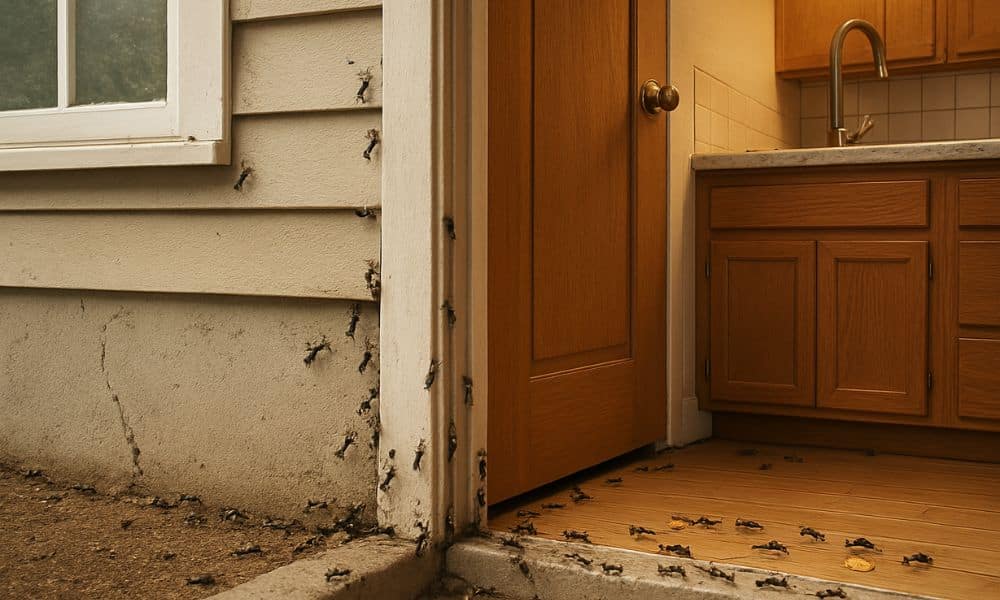
Black ants are experts at finding ways in. They can squeeze through spaces as thin as a credit card – cracks around windows, tiny openings in the foundation, or gaps under door frames are more than enough.
Worn-out weather stripping, loose siding, or missing caulking make the job even easier. Ants also use natural bridges like tree branches touching your roof or shrubs brushing against walls. Once a path is found, they leave pheromone trails so the rest of the colony can follow effortlessly.
🌿 A gentle reminder: trimming plants and sealing cracks once a season can prevent a surprise visit later.
Identify What Species of Black Ants You’re Dealing With
Before you decide how to get rid of them, it helps to know who you’re dealing with. Not all black ants behave the same – some simply forage for crumbs, while others quietly build their homes inside your walls.
Here are the most common culprits behind that moment when you wonder, “why do I suddenly have black ants in my house?”
Carpenter ants – the wood sculptors
Carpenter ants are the giants of the ant world, usually measuring between 6–13 mm. Unlike termites, they don’t eat wood – they carve through it to build galleries and tunnels for their nests.
You might even hear them before you see them – a faint rustling sound inside walls, especially at night when they’re most active.
If you notice tiny piles of sawdust-like material (called frass) near wooden surfaces, that’s a sign they’ve moved in. They prefer moist or decaying wood – around leaky pipes, roof damage, or damp window frames.
Their main colonies often start outside in old tree stumps, while satellite colonies may sneak indoors looking for warmth and shelter.
Look closely and you’ll notice their heart-shaped heads and strong mandibles, perfect for chewing through fibers. Major workers are much larger than minor ones, and their antennae bend at sharp angles – small details that reveal a lot about who’s sharing your home.
🌿 Cozy tip: If you find frass or hear quiet tapping in walls, call a pest professional early – carpenter ants can cause costly damage over time.
Little black ants – the sweet seekers
Tiny but tireless, little black ants measure only 1.5–2 mm long. They move in neat, determined lines and seem to appear overnight, especially around kitchen counters. These ants adore sweet and greasy foods – honey, syrup, fruit juice, even pet food.
Their colonies can have multiple queens and thousands of workers, which explains why you might suddenly see a long trail across your sink. They usually live outdoors (under rocks or logs) but send scouting parties indoors when outdoor food runs low.
They move in quick zigzag patterns and can slip through the smallest cracks. Once they find something they love, they’re incredibly persistent – almost endearing in their determination, if they weren’t invading your breakfast space.
🍋 Try this: Wipe counters with lemon or vinegar – it helps mask the sweet scents they follow.
Pavement ants – the tiny architects underfoot
Pavement ants get their name from where they live: under sidewalks, driveways, and foundation slabs. They’re medium-sized (2.5–3 mm) and have faint parallel lines on their heads and thoraxes – a subtle signature for those who look closely.
You’ll notice them by their small dirt mounds near cracks in pavement or along your driveway edges. They’re natural engineers, tirelessly excavating soil to expand their underground cities. During summer, they even wage “pavement wars” – huge battles between colonies over territory.
Indoors, they like to stay near familiar materials – behind walls, under floors, or along basement edges. Their diet is flexible: sweets, meat, seeds, grease, and especially pet food. Once they discover an open bowl, expect a line of tiny visitors within hours.
💡 Small habit, big help: Feed pets on a tray and clean it daily – it’s one of the simplest ways to stop pavement ants from coming back.
Locate Where Ants Are Coming From
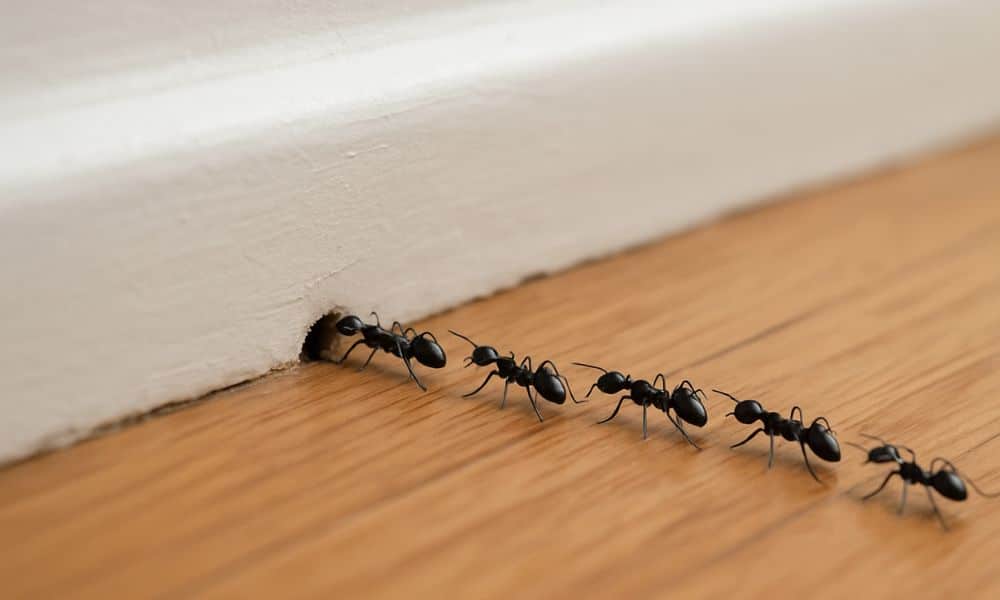
When you start noticing ants, the best thing you can do is pause and play detective. Finding where they come from often explains why you suddenly have black ants in your house – and how to stop them for good.
Follow ant trails to discover entry points
Ants don’t wander aimlessly. They leave invisible pheromone trails, tiny chemical highways guiding others straight to food and water. When you spot that neat little line of ants, resist the instinct to wipe them away immediately. Instead, grab a flashlight and gently follow their path backward.
You might be surprised – their trail could lead you to a crack in the foundation, a loose window seal, or tiny gaps where utility lines enter your home. Pay close attention along baseboards and corners; some ants can slip through openings thinner than a credit card.
Look for worn caulking, loose weatherstripping, or damaged door seals – small flaws that become open invitations. Often, the entry point is not where you see the most ants, but somewhere quietly hidden a few steps away.
🌿 Cozy tip: Once you’ve found their route, clean it gently with vinegar water. It erases their scent trail and deters others from following.
Check common nesting areas around your property
Most black ants begin their journey outside before wandering in. That’s why inspecting the space just around your home often reveals the real source of the problem.
Take a slow walk around the perimeter – about 10 feet out from your walls. Look for small dirt mounds, disturbed mulch, or unusual activity near tree roots or rotting wood. Ants adore these sheltered, slightly moist spots.
Landscaping details often hide entire colonies. Peek under decorative stones, flower pots, planter boxes, or near drip irrigation lines. Even deck boards and patio stones can warm up enough to become prime nesting sites.
🌼 It’s not about declaring war – it’s about understanding where they live, so you can gently set boundaries again.
Inspect moisture-prone areas like bathrooms and kitchens
Bathrooms and kitchens are like five-star hotels for ants – food crumbs, water, and warmth all in one place. Begin under sinks, where plumbing lines often provide both entry points and moisture.
Check around bathtubs, showers, and faucets where caulking has worn away, and look behind dishwashers, refrigerators, and washing machines for hidden drips or condensation. Even tiny leaks can sustain a thriving colony.
A few drops of water might not seem like much, but to ants, it’s enough to keep their tiny world running.
💧 Keep these spaces dry, and you’ll make your home a lot less interesting to them.
Examine outdoor colonies near your foundation
Sometimes, the key to solving an indoor problem lies right outside your door. Walk slowly around your foundation, especially near spots where plants, mulch, or gravel meet the wall.
Black ants often build colonies within a few meters of the house, sending scout ants in through cracks or under doors. Look for signs of activity near sprinkler systems, air conditioning units, gutter drains, or compost bins – these offer both moisture and warmth.
If you find a nest, mark its location. Eliminating the outdoor colony (either through natural deterrents or professional help) usually solves indoor invasions much faster than chasing stray ants inside.
🌸 Think of it as restoring balance – keeping nature outside and your home peacefully yours again.
Eliminate Food and Water Sources
If you’ve ever wondered “why do I suddenly have black ants in my house,” the answer often begins right in the kitchen. Ants don’t need an open invitation – a few crumbs or drops of water are enough to make your home feel like paradise to them.
Here’s how to gently reclaim your space, one small habit at a time.
Store food in airtight containers
Leaving food uncovered is like rolling out a welcome mat for ants. Their sense of smell is extraordinary, and once they find an easy meal, they’ll send word to the whole colony.
Transfer dry goods like cereal, flour, sugar, rice, and pasta into sealed glass, metal, or thick plastic containers. Cardboard boxes and paper bags are no match for determined ants. Pay special attention to sweet items – honey, syrup, and jam are irresistible and need the tightest seals possible.
And don’t forget about opened snacks. That half-finished bag of chips or crackers should go into an airtight container right away. Even the oil or salt left on packaging can attract ants long after you think it’s “closed.”
🌿 Cozy tip: Keep a small basket for all open snacks – it makes sealing and storing them part of your daily rhythm.
Clean up crumbs and spills immediately
Your kitchen might look spotless, but ants notice what you can’t see – tiny sugar crystals or crumbs no bigger than dust. Wipe down counters after every meal, using a damp cloth followed by a dry one to remove both residue and moisture.
Check around stoves, toasters, and coffee makers, where grease and crumbs often hide. Even the narrow gap between counters and appliances can become an ant expressway, so run a thin brush or cloth through those spaces once in a while.
Sweep or vacuum daily, especially under tables and kitchen islands where crumbs gather unnoticed.
✨ Little reminder: One crumb to you is dinner for ten ants.
Fix leaky pipes and eliminate standing water
Ants crave water just as much as food – especially during dry months. Look under sinks, behind toilets, and around water heaters for small leaks or damp spots. Even a slow drip can become a steady water source for a colony.
Outside, check gutters, drainage paths, and outdoor faucets. Water pooling near your foundation invites ants closer, and from there, it’s just a short walk inside.
If you’ve ever noticed tiny fruit flies hovering near your sink or drain, How to Clean Drains of Fruit Flies walks you through gentle, natural ways to clear buildup and moisture – often the same hidden sources that draw ants indoors.
Don’t let water linger in plant saucers, pet bowls, or bathroom corners. Empty and wipe them regularly instead of just refilling.
💦 Simple rule: If it’s enough moisture for a plant to thrive, it’s enough for ants to survive.
Remove pet food bowls when not in use
Pet food – with its mix of oils, fats, and sweet flavors – is an ant’s dream come true. Leaving bowls out all day turns your home into a never-ending buffet.
Try feeding your pets on a set schedule and remove leftovers within 30 minutes. Store dry kibble in airtight containers rather than the original bags, which often have tiny gaps ants can slip through.
You can also create a moat barrier by placing pet bowls in shallow trays filled with water – a simple trick that keeps ants from crossing over.
🐶 Cozy tip: A quick wipe after every meal keeps both your pets and your kitchen happier.
Keep garbage cans tightly sealed
Trash bins are an ant’s paradise – full of sweet residues, crumbs, and organic waste. Even a tiny gap in the lid is enough for scout ants to slip in.
Rinse bottles and cans before tossing them, especially if they held sugary drinks or sticky sauces. Give your garbage cans a quick wash with soapy water every week to remove lingering smells.
Double-bag messy waste and take out the trash frequently in warmer weather, when ant activity peaks. The fresher your bins stay, the fewer visitors you’ll have.
🌸 Think of it not as cleaning, but as making space – a quiet, simple act that helps your home breathe again.
Natural Methods to Get Rid of Black Ants
If you’ve ever found yourself wondering “why do I suddenly have black ants in my house,” the good news is that nature offers plenty of gentle ways to send them packing – no harsh chemicals required. These simple, everyday ingredients not only keep ants away but also help your home feel fresher and calmer.
Use vinegar solutions to disrupt scent trails
White vinegar is one of the most effective (and affordable) natural tools against ants. These tiny travelers rely on invisible pheromone trails – like little chemical highways – to guide their colony mates to food.
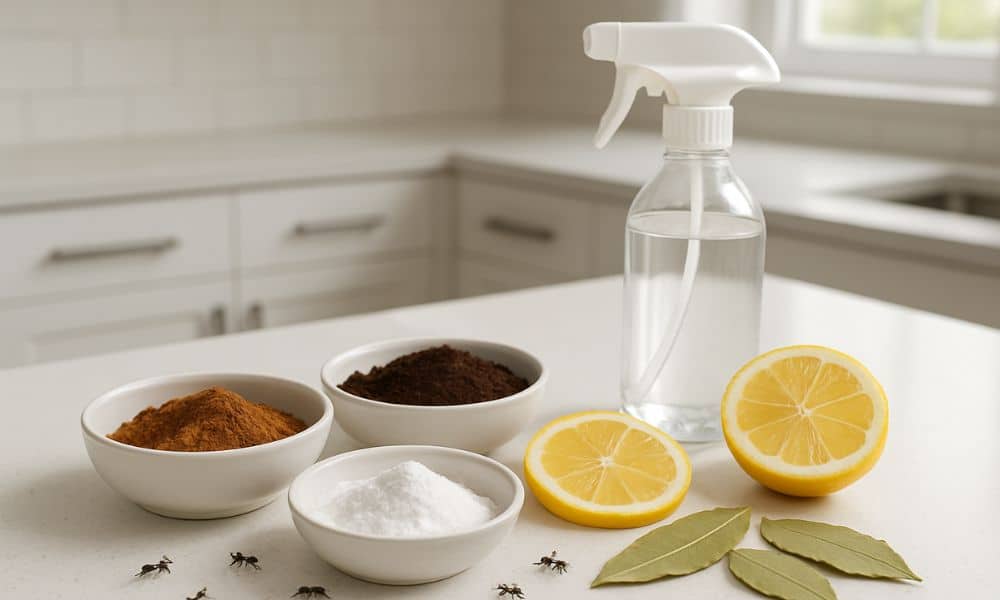
Spraying a 50/50 mix of white vinegar and water along baseboards, windowsills, and entry points wipes out their “GPS system.”
The acetic acid in vinegar erases these scent trails and creates a surface ants find unpleasant to cross. Apply it generously around doors, windows, and pipe openings, especially where you’ve seen activity. In the first week, spray daily; afterward, a quick weekly touch-up keeps them away.
Apple cider vinegar works too, though its scent can be stronger. For best results, clean the area with soapy water first, then apply vinegar while it’s still slightly damp – it helps the solution stick and last longer.
You can also read What Smell Do Ants Hate the Most? for more natural scent-based solutions from the same Cozy Everyday collection.
🌸 Cozy tip: The faint vinegar scent fades quickly but leaves your kitchen feeling clean and bright.
Apply cinnamon and coffee grounds as natural repellents
If vinegar erases their paths, cinnamon and coffee keep them from returning.
Ground cinnamon acts as a natural barrier – ants won’t cross it. Sprinkle a light line near entry points, or mix cinnamon essential oil with water in a spray bottle for a more potent effect.
Used coffee grounds are another wonderful, eco-friendly option. Spread dry grounds around the base of your home, focusing on cracks, patio edges, or near window wells. The caffeine and acidity make the area uncomfortable for ants while giving your used coffee a second purpose.
Other gentle repellents you can try:
- Peppermint oil: Mix 10–15 drops with water and spray along baseboards.
- Lemon juice: Spray directly onto trails and entry points.
- Diatomaceous earth (food-grade only): Sprinkle around doors and windows.
- Black pepper: Use around corners or under appliances where ants gather.
☕ Bonus: Coffee and cinnamon leave behind a cozy scent – the kind that makes your kitchen feel like home again.
Create borax-based bait stations for colony elimination
While repellents keep ants at bay, borax bait stations help you deal with the root cause – the colony itself.
Mix 1 part borax with 3 parts sugar to make a sweet, irresistible (but deadly) treat. The sugar draws the ants in, while borax works slowly enough for them to carry it back to their nest, sharing it with the entire colony.
Place small portions on bottle caps or shallow dishes near ant trails. Keep these away from pets and children. You might see more ants at first – that’s a good sign. Within a week or two, their numbers will drop dramatically.
🍬 Bait Recipes
| Type | Ingredients | Best For |
|---|---|---|
| Sweet Bait | 3 parts sugar + 1 part borax | Sugar-loving species |
| Protein Bait | 1 part peanut butter + 1 part borax | Grease-seeking ants |
| Liquid Bait | 1 cup water + 1 cup sugar + 2 tbsp borax | General use |
Replace bait stations every few days or whenever they dry out. The borax disrupts digestion and eventually reaches the queen – eliminating the true source of your ant problem.
🌼 Gentle reminder: Patience pays off. A few calm, consistent days of treatment often bring lasting peace to your kitchen.
A gentle next step
Keeping black ants out of your home isn’t about fighting them – it’s about understanding what draws them in and gently closing the invitation.
By sealing food, fixing little leaks, and choosing natural remedies over harsh sprays, you’re not just keeping pests away – you’re caring for your space in a calm, mindful way.
Small daily actions like wiping spills, checking drains, and airing out corners quietly build a home that feels peaceful, balanced, and truly yours.