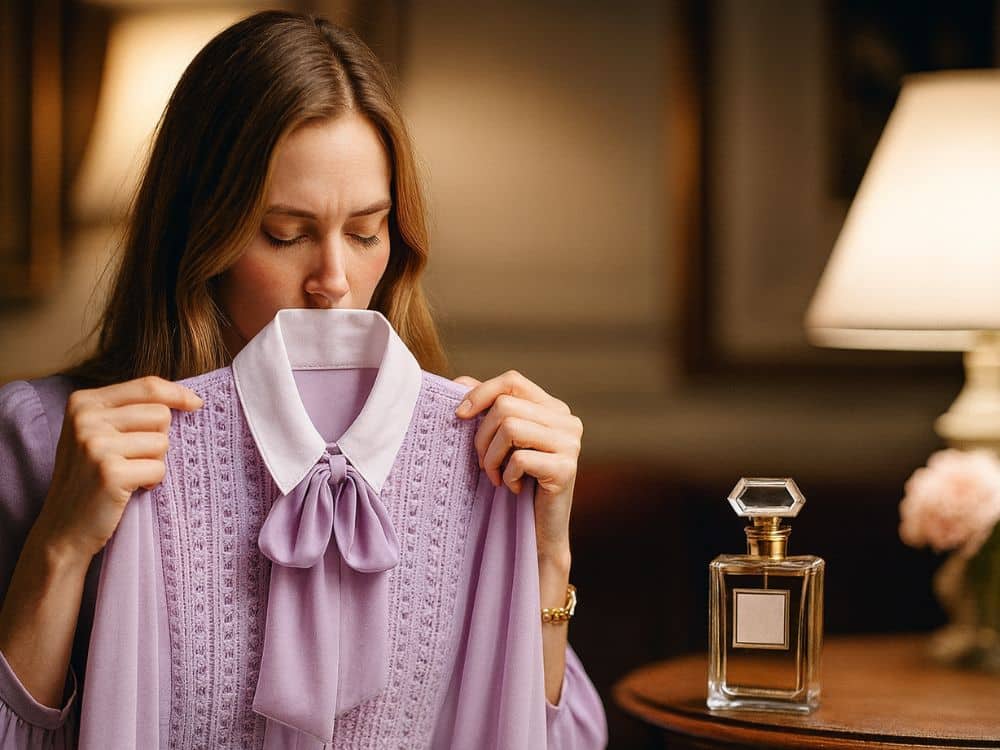
How to get strong perfume smell out of clothes?

how to get strong perfume smell out of clothes

That strong perfume smell clinging to your clothes long after you’ve worn them? It’s more stubborn than you think – and nearly impossible to ignore.

Whether you accidentally over-sprayed or picked up someone else’s heavy fragrance in a crowded room, those lingering scents can make even your favorite outfit feel unwearable.

In this post, you’ll learn how to get strong perfume smell out of clothes with simple pre-treatment methods and washing tricks that actually remove the odor – not just mask it.

We’ve all been there. You’re not alone – and thankfully, you don’t need endless cycles of washing and re-washing to fix it.

Here, you’ll find natural ways to remove perfume scent from every type of fabric, from sturdy cotton to delicate silks, plus advanced hacks for when basic cleaning isn’t enough.

Let’s dive into the proven, gentle methods that get perfume odor out of clothes so they smell clean, fresh, and ready to wear again – no harsh chemicals, no frustration, just results.

Identify why perfume lingers in fabric

Understanding how perfume molecules bind to different fabric types

Perfume is a fascinating mix of alcohol, oils, and aromatic compounds – and each reacts differently depending on the fabric it touches. Natural fibers like cotton, wool, and silk are porous, meaning perfume can easily slip beneath the surface.

Cotton, being so absorbent, acts like a little sponge – it soaks up not only the alcohol base but also the heavier fragrance oils. Wool, made from protein-based fibers, forms stronger chemical bonds with some perfume components, which is why that lingering scent can be so hard to remove.

Synthetic fabrics such as polyester and nylon come with their own quirks. Since they’re water-repellent, perfume tends to sit on top rather than absorb. At first glance, that seems like good news – but the result is a thin, stubborn layer of scent molecules that can spread again whenever heat or friction is applied.

Even fabric weave matters. Tight weaves trap scent molecules in tiny spaces between threads, while looser weaves breathe better but may still cling to the fragrance in larger gaps. Some delicate or treated fabrics have chemical finishes that react unpredictably with perfume, making them even trickier to clean.

If you’ve ever tried to remove perfume smell from fabric and wondered why it stays no matter what you do – this is why.

Understanding How Perfume Molecules Bind to Different Fabric Types

Recognizing factors that make scents harder to remove

Certain conditions make perfume odors far more stubborn than expected. Heat is the main culprit – it speeds up alcohol evaporation and leaves behind the concentrated oils that bond deeply with fabric. That’s why clothes stored in warm closets or exposed to sunlight often hold onto perfume much longer.

Humidity adds another challenge. When the air is moist, fabric fibers swell and become more porous, allowing the perfume to sink in deeper. The moisture also slows down evaporation, giving fragrance molecules more time to settle into the weave.

The way perfume is applied also matters. Spraying directly on clothes creates concentrated “hot spots” that are tough to remove. Layering or over-spraying makes it worse – each spritz builds new bonds, requiring more intensive methods later.

Even your body chemistry plays a quiet role. Natural skin oils, sweat, and other secretions mix with perfume and form new compounds. These hybrids behave differently than the original fragrance, often making it more resistant to washing.

Assessing the age and intensity of the perfume residue

Time changes everything – even perfume residue. Fresh scent buildup is easier to tackle within the first 24 hours, before the alcohol has completely evaporated. At this stage, gentle odor-removal hacks or pre-treatments can still lift most of the fragrance oils.

After 48 to 72 hours, however, the perfume molecules start bonding more tightly to fabric fibers. The oils begin to polymerize or cross-link – that’s when smells feel “baked in.”

Repeated exposure or layering builds complex scent deposits. Each new application doesn’t just sit on top – it chemically interacts with the previous one, forming combinations that may need specialized care to eliminate fragrance from garments effectively.

Testing how strong the residue is helps you choose the right approach. Light traces can usually be removed with a boosted detergent wash, while stubborn buildup may call for pre-soaking, baking soda, or even professional cleaning.

Finally, consider what type of perfume you’re dealing with – alcohol-based sprays, oil perfumes, or solid sticks. Each behaves differently, and knowing which one you’re up against makes all the difference in selecting the right way to get perfume odor out of clothes for good.

Pre-treatment methods for immediate action

Air out garments in well-ventilated areas

The simplest first step to remove perfume smell from fabric is to just let your clothes breathe. Hang them outside on a clothesline, balcony, or even by an open window – anywhere fresh air can circulate freely.

A little wind and natural airflow can work quiet miracles, breaking up those concentrated scent molecules clinging to fibers.

If outdoor space isn’t an option, recreate the effect indoors. Open windows, switch on a fan, and let air move across the garments.

Avoid small closets or enclosed spaces – they tend to trap odors rather than release them. Even a few hours of good ventilation can make a noticeable difference before you move on to deeper treatments.

Use white vinegar as a natural odor neutralizer

If fresh air isn’t enough, white vinegar is your next gentle hero. It works by breaking down and neutralizing the chemical compounds behind lingering perfume scents. Mix equal parts vinegar and water in a spray bottle, then lightly mist over the affected areas.

For stronger odors, soak the garment in a mix of one cup vinegar per gallon of cool water for about 30 minutes.

Don’t worry – that sharp vinegar smell disappears completely once the fabric dries, taking the unwanted perfume odor with it. Just remember to test on a small, hidden area first if you’re working with delicate or colored fabrics.

Apply baking soda to absorb lingering scents

Baking soda is one of the most natural ways to remove perfume scent from clothes – simple, safe, and surprisingly effective. Lay your garment flat, sprinkle baking soda generously over the smelly areas, and gently work it into the fabric with your hands.

Leave it overnight if possible; time helps the powder absorb more odor molecules. In the morning, shake or brush off the excess outdoors, or use a vacuum with a soft brush attachment. This method is especially useful for thicker fabrics like denim, sweaters, or coats that tend to hold scent deep in their fibers.

Create a vodka spray solution for delicate fabrics

It might sound unexpected, but vodka can be a wonderful ally when you need to get perfume odor out of clothes that can’t handle water. Its high alcohol content helps dissolve perfume oils and evaporates cleanly, leaving no marks behind.

Pour unflavored vodka into a spray bottle (no mixing needed), then lightly mist the fabric. Hang the piece in a well-ventilated space and let it air-dry. The faint vodka smell vanishes quickly – and with it, most of the perfume odor.

This trick works beautifully for silk, wool, or “dry-clean only” garments. Keep a small spray bottle handy for quick touch-ups, especially after dinner parties or long days out when scents tend to linger more than you’d like.

Machine washing techniques that actually work

Choose the right water temperature for your fabric type

Getting the water temperature right can completely change the outcome when you’re trying to get strong perfume smell out of clothes.

For sturdy fabrics like cotton and linen, hot water is your best friend – the heat helps dissolve perfume oils and alcohol compounds while opening up the fabric fibers so trapped odors can escape.

If you’re washing synthetics such as polyester or blended materials, go for warm water. It’s the sweet spot between effective odor removal and fabric safety.

Delicate items like silk or wool, however, should always be washed in cold water. It’s gentler and helps preserve their shape and color, even though it’s less aggressive against perfume molecules.

Always double-check care labels before you wash. Some fabrics can handle a little more heat than you’d expect, while others – even those marked “machine washable” – still do best with cooler settings.

Add odor-eliminating boosters to your regular detergent

Sometimes, your regular detergent just isn’t enough to remove perfume smell from fabric completely – and that’s where natural boosters come in.

Start with white vinegar, one of the simplest and most effective odor neutralizers. Add half a cup to your wash cycle. The mild acetic acid breaks down fragrance compounds without leaving any vinegar scent once your clothes are dry.

Baking soda is another reliable ally. Add about a quarter cup directly into the drum before your clothes go in. It works by absorbing odors and softening the water, which helps your detergent perform better overall.

For a more advanced touch, try enzyme-based boosters – they specifically target the organic oils and proteins that perfumes often contain. Look for products that include protease or lipase enzymes for maximum effect.

If you’re dealing with really stubborn buildup, oxygen bleach (color-safe bleach) can be a lifesaver. It’s gentle yet powerful enough to lift out odors without damaging colors. Just remember: use one booster at a time. Mixing multiple solutions can trigger unwanted chemical reactions.

Run an extra rinse cycle to remove all residue

Here’s a small step that makes a big difference: an extra rinse cycle.

Perfume molecules love clinging to soap residue left behind after a regular wash. By running one more rinse – or even a short wash with plain water – you flush out both the leftover detergent and the loosened perfume particles.

If your washing machine has an “extra rinse” setting, simply turn it on before you start. If not, you can always run a quick, water-only cycle afterward.

For heavily scented garments or clothes exposed to multiple perfume applications, two extra rinses might be worth it. It may use a bit more water, but it saves you the frustration of realizing your “clean” clothes still smell like last night’s fragrance.

A little extra care here ensures your fabrics come out fresh, soft, and truly clean – not just perfume-covered.

Hand washing solutions for delicate items

Create an enzyme-based soaking solution

When you’re learning how to get strong perfume smell out of clothes, enzyme-based detergents can feel like magic. These clever cleaners act like tiny molecular scissors, cutting through perfume compounds that regular soap simply can’t touch.

To make your soak, mix one tablespoon of enzyme detergent with two cups of cool water in a clean basin. Be sure to use cool – not hot – water; heat can actually cause perfume molecules to bind more deeply to the fibers.

Submerge your delicate garment and gently press it down until it’s fully soaked. Let it rest for 30 minutes to two hours, depending on how strong the scent is. Lighter pieces like silk or cashmere need less time, while sturdier fabrics like cotton or linen can soak a bit longer.

Always check the care label first – some materials, especially wool or synthetics, may need a special enzyme formula designed for their unique fiber types.

Use gentle rubbing techniques without damaging fabric

Delicate fabrics need a soft touch. Instead of scrubbing or wringing, try the pad-and-press method. Use your fingertips to lightly press the soapy water through the fabric, moving from the outer edges of any scented area toward the center.

If you’re dealing with a spot that’s been directly sprayed with perfume, make a gentle paste using a drop of enzyme detergent and a splash of water. Apply it with a soft toothbrush, using tiny circular motions. The goal isn’t to scrub hard – it’s to let the enzymes quietly do their work.

Focus on areas where scent tends to cling: collars, cuffs, and anywhere the fabric sits close to your skin. These are often the most stubborn zones to remove perfume smell from fabric completely.

Rinse thoroughly with cool water multiple times

The secret to a truly clean finish lies in the rinse. Fill a basin with fresh cool water and gently move your garment through it. Plan on at least three rinse rounds – it takes time to wash away every bit of perfume and detergent.

Lift and dip the item softly, letting water flow naturally through the fibers. Avoid twisting or wringing; both can stress delicate materials and trap residue.

Between rinses, check the scent of the water. If you can still detect perfume or feel any slickness on the fabric, keep going until the water runs clear and the fabric feels clean and scent-free.

Apply fabric-safe essential oils for a fresh finish

Once your garment is fresh and clean, you can add a whisper of natural fragrance – something light and uplifting that won’t overpower your next perfume.

Add two or three drops of lavender, eucalyptus, or lemon essential oil to the final rinse water. These natural deodorizers leave behind a clean, calm scent that continues to neutralize odors as your garment dries.

Skip heavier oils like patchouli or ylang-ylang; they can stain or linger too strongly on delicate fabrics. Citrus-based oils are particularly effective because they help neutralize perfume residues naturally, even after drying.

And as always, do a quick spot test first – silk and wool can react unpredictably to certain oils.

Advanced removal methods for stubborn odors

Steam treatment to lift embedded fragrance particles

When all else fails, steam can be your secret weapon. The gentle mix of heat and moisture helps loosen perfume molecules that have bonded deep within fabric fibers. Steam essentially “unlocks” those scent compounds, making them easier to rinse or wash away.

For a simple home method, hang your clothes in the bathroom while you take a hot shower – the natural steam works surprisingly well. Or, if you have a handheld steamer, target areas where the smell lingers most: collars, cuffs, or the underarm region.

For deeper treatment, create a DIY steam tent. Drape your clothing over a chair placed above a pot of boiling water (just make sure the fabric doesn’t touch the water).

Let the steam rise and penetrate the fibers for about 15–20 minutes. Once done, immediately hang the item outside or wash it to remove perfume smell from fabric completely.

Professional garment steamers deliver the most consistent results, but even simple home steaming can make a real difference. You’ll be surprised at how much fresher your clothes feel after releasing those embedded fragrance particles.

hang your clothes in the bathroom

Professional dry cleaning for expensive or delicate garments

Some fabrics simply need professional care – especially dry-clean-only items or luxury pieces. Professional cleaners use specialized solvents that dissolve perfume oils without harming delicate fibers.

When dropping off your clothes, always mention that you’re trying to get perfume odor out of clothes. Many dry cleaners are familiar with fragrance removal and can apply pre-treatments or use additional cleaning cycles designed for stubborn scents.

Some premium services even offer ozone treatment, which neutralizes odor molecules at the molecular level – perfect for persistent or vintage perfume traces.

For heirloom pieces like wedding dresses, silk gowns, or fine wool suits, consider working with a fabric restoration specialist. These experts use museum-grade methods to eliminate fragrance from garments while preserving every thread of the original fabric.

Activated charcoal absorption technique for stored items

If you’re dealing with perfume smells in clothes that have been sitting in storage, activated charcoal is an effortless, natural fix. It works by pulling odor molecules out of the air and fabric, leaving things truly scent-free.

Place a few charcoal bags or loose pieces of activated charcoal in an airtight container along with the affected garments. Seal it up for 24–48 hours and let the charcoal do the quiet work of absorbing the fragrance.

You can also keep charcoal bags in drawers or closets to prevent scent buildup over time. Replace them once a month for best results. This technique is especially handy for pieces that can’t be washed often – wool coats, leather jackets, or formalwear.

For a bigger job, create a “charcoal treatment box” using a large plastic storage bin. Line the bottom with tissue paper, layer your garments inside, and add several charcoal bags. Seal it tightly and let time work its magic. It’s safe for every fabric, chemical-free, and ideal for maintaining freshness in long-term storage.

Prevention strategies to avoid future issues

Store clothes away from perfumed areas

If you want your clothes to stay truly fresh, keep your wardrobe and fragrances far apart. Your closet shouldn’t double as a perfume shelf – even sealed bottles can release trace amounts of scent that slowly cling to nearby fabrics.

Over time, this leads to that stubborn perfume buildup that’s so hard to remove later.

Instead, set aside a separate space – maybe a vanity table, dresser top, or bathroom shelf – for your fragrance collection. If space is limited, store perfumes in a closed drawer or cabinet that’s not directly connected to your clothes.

A little distance goes a long way in keeping fabrics naturally clean and free of lingering scent.

Apply fragrance before getting dressed

One of the simplest natural ways to prevent perfume scent buildup is timing. Always apply your perfume before getting dressed. Spray it onto clean, dry skin and wait about 10–15 minutes. That short pause lets the alcohol evaporate and the oils settle properly, so the scent stays on your skin – not your clothes.

Focus on classic pulse points like your wrists, behind the ears, or at the base of your throat. These spots radiate gentle warmth that helps the fragrance diffuse beautifully. Try to avoid spraying directly onto areas where your clothing touches, like your neckline or chest, especially if you’re wearing delicate fabrics.

Use garment bags to protect clean clothes

Garment bags are one of the easiest ways to protect clothes from unwanted odors. Breathable cotton or linen bags are ideal for everyday use – they let air flow naturally while keeping scent particles out.

Plastic covers can be handy for short-term storage, but avoid using them long-term since they trap moisture and can cause mildew. Choose different sizes for different needs: larger suit bags for coats or formalwear, smaller drawstring pouches for knits and delicates.

To add a soft, clean scent, tuck a lavender sachet or cedar block inside. These natural options keep clothes smelling pleasant without adding the artificial intensity that creates new problems.

Maintain proper ventilation in closets and dressers

Even the cleanest closets can develop musty odors if air doesn’t circulate. Keep things fresh by letting your storage spaces “breathe.” Leave closet doors slightly open when possible or install a small battery-operated fan to move the air around.

Regularly wipe shelves and drawers with unscented cleaning products and check for hidden moisture – damp spots amplify smells and make it harder to get perfume odor out of clothes later. Replacing shelf liners from time to time also helps keep everything crisp and neutral.

Good airflow prevents odors from concentrating and ensures your fabrics stay light, airy, and clean – just as they should be.

Fresh finish

Getting rid of strong perfume odors isn’t complicated – it’s all about smart action and timing. Treat the smell early with baking soda or vinegar, then wash each piece the right way for its fabric. Cotton, silk, or blends – every material has its own fix that truly works.

When regular washing falls short, take it up a notch: use activated charcoal, a light vodka mist, or even a quick freeze. These simple tricks cut through even the most persistent scents.

And remember – prevention is everything. Let your perfume dry before getting dressed, and keep your clothes stored in clean, breathable spaces. With a little care, you’ll reclaim that feeling of quiet freshness – walking out the door smelling like confidence, not a perfume counter.

Avatar photo

Maya

I’m Maya, the voice behind Cozy Everyday - a lifestyle blog where I share honest tips, personal stories, and thoughtful finds to bring a little more comfort and simplicity into everyday life.

Leave a Reply

Your email address will not be published. Required fields are marked *