The best organic shampoo for hair loss is not always the strongest or most stimulating formula. It is the shampoo your scalp can tolerate consistently while supporting cleaner roots, less breakage during wash day, and fuller-looking hair.
This guide compares five organic, natural, botanical, or organic-leaning shampoos by scalp type: general thinning, fine flat hair, weak or brittle strands, dull aging-looking hair, and sensitive scalp. If you are still unsure how to judge organic hair-care labels before buying, read this guide on how to choose organic shampoo for hair loss first, then use these picks to match a formula to your scalp needs.
- Scalp type, not just the word organic on the label
- Thinning-looking hair support without miracle regrowth claims
- Gentle cleansing, scalp comfort, and breakage-aware washing
- Five shampoo picks with different roles instead of repeated formulas
An organic or natural shampoo may help reduce irritation, dryness, buildup, or breakage during wash day, but it cannot promise regrowth or treat medical hair loss. If shedding is sudden, patchy, painful, or paired with scalp inflammation, it is worth asking a dermatologist instead of relying on shampoo alone.
How to choose the best organic shampoo for hair loss by scalp type
The best organic or natural shampoo is the one your scalp can use consistently without feeling stripped, itchy, or overloaded.
How these 5 organic and natural shampoos were selected
- Scalp tolerance comes first
A shampoo for thinning-looking hair should not leave the scalp feeling stripped, itchy, tight, or overloaded after washing.
- Each pick has a different job
The list avoids repeating the same formula role. One pick focuses on overall anti-thinning support, while others focus on fine hair, weak strands, dull aging-looking hair, or sensitive scalp.
- Organic and natural positioning matters
The products were chosen for organic, natural, botanical, organics-brand, or organic-leaning positioning, rather than generic salon shampoos with no clean-hair-care relevance.
- Claims stay realistic
The goal is scalp comfort, gentle cleansing, fuller-looking hair, and less breakage during wash day—not promises to stop hair loss or regrow hair.
Use this list as a scalp-type match guide, not as medical treatment advice for sudden, patchy, or painful hair loss.
The 5 best organic and natural shampoos for hair loss by scalp need
Best Overall Organic-Leaning Pick: PURA D’OR Original Gold Label

A botanical anti-thinning shampoo for fuller-looking hair, gentle cleansing, and breakage-aware support during wash day.
- Botanical anti-thinning positioning fits readers looking for fuller-looking hair support
- Sulfate-free formula is a better match for hair that feels dry or stripped after washing
- Biotin and argan oil positioning makes it relevant for strengthening and volumizing routines
- Not a medical hair-loss treatment and should not be expected to regrow hair
- May feel like more support than needed if your main issue is only sensitive scalp or fragrance avoidance
- Results should be judged by scalp comfort, breakage, and fuller-looking feel rather than instant shedding changes
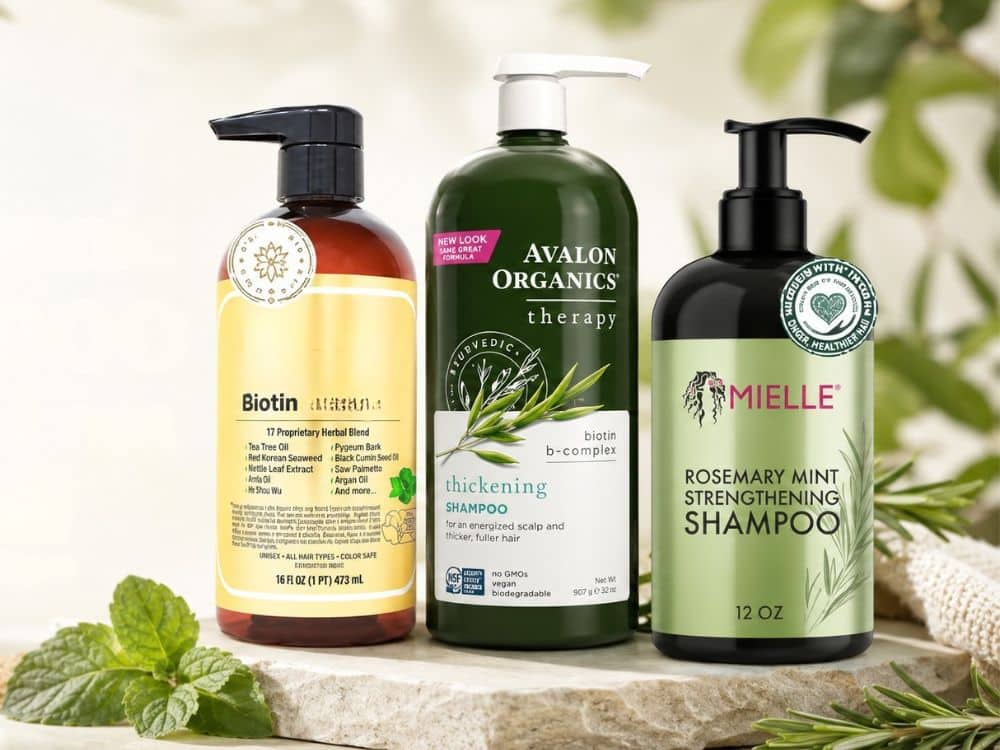
Best Organic Pick for Fine Hair: Avalon Organics Biotin B-Complex
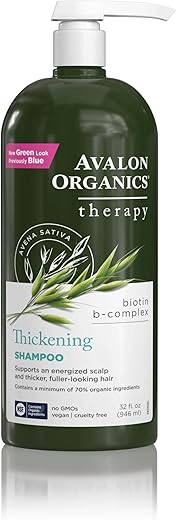
An organic-ingredient thickening shampoo for fine or flat hair that needs body, scalp freshness, and fuller-looking volume.
- Supports thicker, fuller-looking hair and helps build body in fine or thinning hair
- Contains biotin, saw palmetto, quinoa protein, and vitamin E for a body-building shampoo routine
- Formulated without parabens, sodium laureth sulfate, synthetic colors, or synthetic fragrances
- Not a medical treatment for hair loss and should not be expected to regrow hair
- May not be rich enough if your main issue is very dry, brittle, or rough-feeling hair
- Best suited to body and volume goals, not sudden or patchy shedding concerns
Best Rosemary Pick for Weak Strands: Mielle Organics Rosemary Mint

A rosemary mint shampoo with biotin for weak, brittle strands that need gentle cleansing and strengthening support.
- Rosemary mint and biotin positioning fits weak, brittle, or breakage-prone strands
- Amazon listing describes it as gently cleansing, repairing, and protecting strands
- Formula is listed as sulfate-free, paraben-free, mineral-oil-free, paraffin-free, and DEA-free
- Rosemary and mint may feel too active for very sensitive or fragrance-reactive scalps
- Not a medical hair-loss treatment and should not be expected to stop shedding or regrow hair
- Less suitable if your top priority is an unscented, low-stimulation shampoo
Best Natural Pick for Dull Hair: Andalou Naturals Argan Stem Cell

A natural shampoo for dull, weak, or aging-looking hair that needs stronger-feeling strands and fuller-looking support.
- Amazon listing positions it for thinning, dull, or weak hair needing strengthening care
- Supports a fuller, healthier-looking hair routine without relying on heavy coating language
- Good fit when hair looks tired, dull, or aging rather than simply fine and flat
- Not a medical hair-loss treatment and should not be expected to regrow hair
- Less targeted for very sensitive scalps than an unscented gentle shampoo
- May overlap with strengthening goals, so avoid pairing it with too many protein-heavy products if hair feels stiff
Best Gentle Organic Pick for Sensitive Scalp: Christina Moss Naturals Shampoo

An unscented natural shampoo for sensitive scalps that need gentle cleansing without fragrance-heavy or overly stimulating ingredients.
- Unscented positioning makes it a better fit for fragrance-reactive or easily irritated scalps
- Listed as sulfate-free, paraben-free, cruelty-free, and vegan for a cleaner hair-care routine
- Natural and organic ingredient positioning fits readers who want gentleness before stimulation
- Not an anti-thinning treatment and should not be expected to regrow hair
- Less targeted for fuller-looking volume than dedicated thickening shampoos in this list
- May feel too simple if your main goal is rosemary, biotin, or active strengthening support
Which organic shampoo pick should you choose?
- Choose PURA D’OR if you want the strongest overall anti-thinning supportThis is the best starting point if your main goal is a botanical, organic-leaning shampoo for fuller-looking hair and general thinning support.Look forGeneral thinning-looking hair, wash-day breakage concerns, and a preference for botanical anti-thinning positioning.AvoidExpecting a shampoo to diagnose, treat, or reverse medical hair loss.
- Choose Avalon Organics if your fine hair falls flatThis pick makes the most sense when your hair looks thinner because it lacks body, volume, and lift after washing.Look forFine, flat, or thinning-looking hair that needs body without a heavy coated feel.AvoidUsing it as your main solution if your hair is very dry, brittle, or rough-feeling.
- Choose Mielle if your strands feel weak or breakage-proneThis is the rosemary mint pick for hair that feels fragile during wash day and needs strengthening support more than scalp quietness.Look forWeak, brittle, or breakage-prone strands that tolerate a more active-feeling rosemary mint shampoo.AvoidVery sensitive, fragrance-reactive, or easily irritated scalps that need an unscented formula.
- Choose Andalou Naturals if your hair looks dull, weak, or agingThis pick fits hair that looks tired or less full over time and needs natural strengthening support without a heavy cleanse.Look forDull, weak, aging-looking, or thinning-looking hair that needs stronger-feeling and fuller-looking support.AvoidChoosing it for the calmest sensitive-scalp routine if fragrance or active botanicals often bother you.
- Choose Christina Moss if your scalp reacts easilyThis is the gentle organic pick for readers who need an unscented shampoo and scalp comfort before any stimulating hair-growth language.Look forSensitive, itchy, tight, or fragrance-reactive scalps that need a simpler natural and organic-ingredient shampoo.AvoidExpecting it to perform like a dedicated anti-thinning or volumizing shampoo.
If your hair looks gradually thinner, flatter, or less dense over time, your next step may be understanding the difference between scalp support, volume, and breakage-aware cleansing. This guide on organic shampoo for thinning hair explains the broader thinning-hair angle before you choose a formula.
Choose the organic shampoo your scalp can tolerate consistently
- Choose PURA D’OR for the strongest overall organic-leaning anti-thinning support
- Choose Avalon Organics if fine or flat hair needs more body
- Choose Mielle or Andalou when strands feel weak, brittle, dull, or aging-looking
- Choose Christina Moss if sensitive scalp comfort matters more than stimulation
The best organic shampoo for hair loss is not the bottle with the loudest growth claim. It is the shampoo that fits your scalp type, cleans without stripping, and supports fuller-looking hair without making wash day more stressful. If you want the broader foundation before comparing products, this guide to organic hair shampoo for hair loss explains what organic, natural, and scalp-supportive shampoos can realistically do.