If you have dry hair, chances are you’ve already searched for a chemical-free conditioner at least once. Because your hair still feels dry, brittle, or lifeless even after conditioning.
At some point, many people start wondering: “Is my conditioner actually making things worse?” That’s usually when the phrase “chemical-free conditioner for dry hair” starts to sound like the safer choice.
But here’s the problem: Most people don’t really know what chemical-free means when it comes to hair care. Some assume it means “natural.” Others think it simply means “gentler.” And many end up switching products, only to find their hair just as dry – or even drier – than before.
The truth is, not all conditioners without chemicals work well for dry hair. Some formulas remove buildup but don’t provide enough moisture. Others avoid certain ingredients but also skip the ones dry hair actually needs to stay soft and manageable.
This article will help you understand:
- What “chemical-free” really means in hair conditioners
- When a chemical-free conditioner can help dry hair – and when it won’t
- Which ingredients matter more than marketing labels
- What to avoid if your hair is already dry or frizzy
If you’ve been searching for a chemical-free hair conditioner hoping it would finally solve dryness, this post will help you make sense of what actually works – and what doesn’t – before you choose again.
What does “chemical-free” actually mean in hair conditioners?
The first thing you need to know – before choosing any chemical-free conditioner for dry hair – is this:
There is no such thing as a truly “chemical-free” conditioner.
That might sound disappointing, but it’s simply science. Every hair conditioner, whether natural, organic, or handmade, is made of chemicals in some form. Water itself is a chemical compound.
So when a product claims to be a conditioner without chemicals, it usually doesn’t mean “free of all chemicals.” What it really means is free from certain ingredients that many people try to avoid.
In most cases, “chemical-free” on a conditioner label refers to formulas that avoid:
- Sulfates (strong cleansing agents)
- Parabens (preservatives)
- Silicones (coating agents)
- Synthetic fragrances or dyes
That’s why you’ll often see terms like:
- chemical-free hair conditioner
- conditioner without harsh chemicals
- free from sulfates and parabens
They’re not wrong – but they’re incomplete.
For someone with dry hair, this distinction matters more than you might think. Avoiding certain ingredients can reduce irritation or buildup, but it doesn’t automatically mean the conditioner will moisturize your hair well.
In fact, many conditioners marketed as chemical-free focus heavily on what they remove, not on what they add back. And dry hair doesn’t just need fewer irritants – it needs enough conditioning agents to restore softness and flexibility.
This is where confusion often starts.
People switch to a conditioner without chemicals expecting instant improvement, only to find their hair still feels rough or tangled. Not because chemical-free is bad – but because the formula wasn’t designed with dry hair’s needs in mind.
Understanding what “chemical-free” actually means helps you avoid choosing a product based on labels alone – and sets the foundation for deciding whether this type of conditioner is right for your dry hair in the first place.
Is chemical-free conditioner good for dry hair?
The short answer is: sometimes – but not always.
A chemical-free conditioner for dry hair can be helpful in certain situations, but it’s not automatically the best choice just because your hair feels dry. What matters more is why your hair is dry in the first place.
When chemical-free conditioner can help dry hair
A conditioner without harsh chemicals may work well if your dry hair is caused by:
- Product buildup from silicones or heavy styling products
- Sensitive scalp that reacts easily to fragrances or preservatives
- Over-cleansing, where strong ingredients strip natural oils too often
In these cases, switching to a conditioner without chemicals (especially sulfates and heavy silicones) can reduce irritation and help your hair retain its natural moisture better.
Many people notice their hair feels lighter, less coated, and more breathable after making this change.
When chemical-free conditioner can make dryness worse
This is where many people get confused.
Some chemical-free hair conditioners remove irritating ingredients – but also remove key conditioning agents that dry hair actually depends on. If a formula is too minimal or too “clean,” it may not provide enough slip, softness, or moisture.
You might notice:
- Hair feels clean but still rough
- Ends tangle easily
- Frizz becomes more noticeable
- Dryness returns quickly after washing
In these cases, dryness isn’t caused by “chemicals” – it’s caused by lack of proper conditioning.
For dry hair, avoiding ingredients is only half the equation. What matters just as much is whether the conditioner contains enough moisturizing and softening components to support your hair’s structure.
The key takeaway for dry hair
A chemical-free conditioner isn’t good or bad on its own. It works best when the formula still includes ingredients that help dry hair stay: Soft, flexible, less prone to breakage
If a conditioner focuses only on what it excludes – and not on how it conditions – dry hair is often left unsupported.
This is why understanding the ingredient balance matters more than trusting the label alone.
Ingredients to look for (and avoid) if your hair is dry
If you’re considering a chemical-free conditioner for dry hair, reading the ingredient list matters far more than reading the front label. Dry hair doesn’t respond well to extremes – it needs balance, not just fewer ingredients.
Below are the components that usually make the difference.
Ingredients that actually help dry hair
Even in a conditioner marketed as chemical-free, these ingredients are often what make the formula work for dry hair.
Fatty alcohols (the good kind)
Despite the name, not all alcohols are drying. Fatty alcohols help soften and smooth hair by reducing friction and locking in moisture. Look for ingredients such as:
- Cetyl alcohol
- Cetearyl alcohol
- Behenyl alcohol
These are especially important for dry or frizzy hair, because they improve manageability without weighing hair down.
Plant oils and butters
Many conditioners without harsh chemicals rely on natural oils for moisture. Ingredients like:
- Shea butter
- Coconut oil
- Argan oil
- Jojoba oil
can help seal moisture into dry strands – if used in the right balance. Too little won’t help; too much may feel heavy.
Humectants for moisture retention
Dry hair often loses moisture quickly. Humectants attract and hold water, helping hair stay hydrated longer. Common examples include:
- Glycerin
- Aloe vera
- Honey-derived ingredients
These can be beneficial in a chemical-free hair conditioner, especially if your hair feels dry shortly after washing.
Ingredients that may worsen dryness (even if the label says “chemical-free”)
This is where many people get caught off guard.
Some conditioners labeled as conditioners without chemicals still contain ingredients that can make dry hair feel worse over time.
Drying alcohols
Unlike fatty alcohols, short-chain alcohols can strip moisture, especially when used frequently. Examples include:
- Alcohol denat
- Isopropyl alcohol
These are more common in lightweight or “fast-drying” formulas and may leave dry hair feeling rough.
Strong essential oils
Essential oils are often used in chemical-free products for fragrance, but high concentrations can irritate sensitive scalps or dry out already fragile hair. Peppermint, tea tree, and citrus oils are common examples.
Overly minimal formulas
Some conditioners remove so many ingredients in the name of being chemical-free that they simply don’t condition enough. If a formula lacks both oils and softening agents, dry hair often feels clean – but unprotected.
Why this balance matters more than the label
For dry hair, the goal isn’t to eliminate ingredients – it’s to choose the right ones. A well-formulated chemical-free conditioner for dry hair should still provide enough moisture, slip, and softness to support hair that’s already prone to dryness.
Understanding this balance helps you avoid products that sound gentle but leave your hair feeling worse than before.
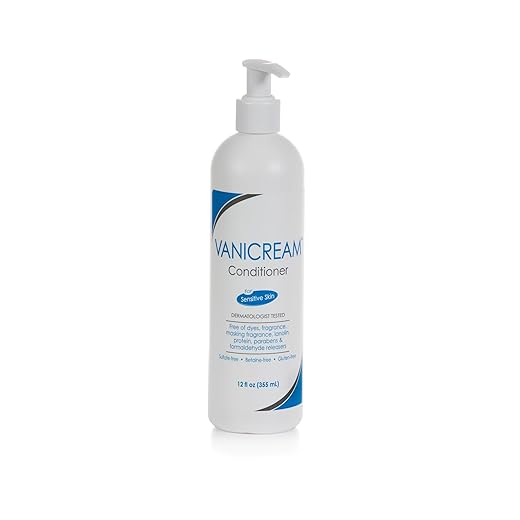
When my scalp is easily annoyed, I start with the simplest formulas
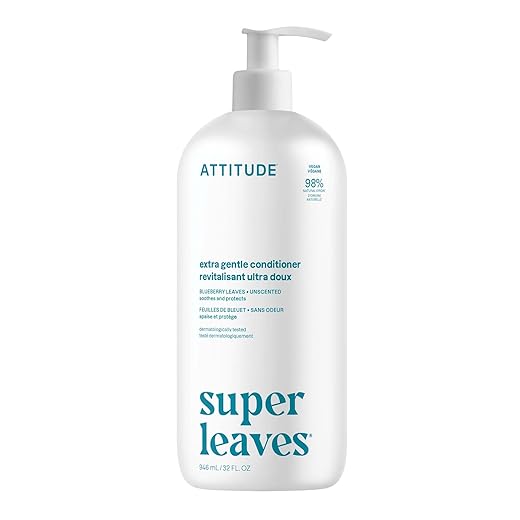
Chemical-free vs natural vs organic: don’t confuse these terms
One reason people struggle to find the right chemical-free conditioner for dry hair is that these terms are often used interchangeably – when they actually mean very different things.
Understanding the difference can save you a lot of trial and error.
Chemical-free: focused on what’s removed
A chemical-free conditioner usually emphasizes what it doesn’t contain:
- No sulfates
- No parabens
- No silicones
- No artificial fragrances or dyes
This approach can be helpful if your dry hair reacts badly to certain ingredients. However, “chemical-free” doesn’t automatically describe what’s included to nourish dry hair – it only tells you what’s been left out.
That’s why some chemical-free conditioners feel gentle but don’t always provide enough moisture.
Natural: focused on ingredient sources
A natural conditioner for dry hair typically highlights ingredients derived from plants or minerals. Oils, butters, and botanical extracts often take center stage.
While this sounds ideal, “natural” doesn’t guarantee gentleness or effectiveness. Some natural ingredients are still:
- Too heavy for certain hair types
- Too light to support very dry hair
- Potentially irritating for sensitive scalps
Natural can be beneficial – but only if the formula is balanced for dryness.
Organic: focused on how ingredients are grown
An organic conditioner refers to ingredients grown without certain pesticides or synthetic fertilizers. It’s more about farming standards than hair performance.
Organic ingredients can be appealing if sustainability matters to you, but organic alone doesn’t ensure the conditioner will hydrate dry hair effectively.
Why dry hair is often misled by labels
Dry hair needs consistent moisture and protection, not just “clean” labels.
A product can be chemical-free, natural, or organic – and still fail to meet the needs of dry or frizzy hair.
That’s why choosing a conditioner based solely on these terms often leads to disappointment.
Instead of asking, “Is this conditioner chemical-free?” A more helpful question is: “Does this formula actually support dry hair?”
Understanding these differences helps you choose intentionally, rather than chasing labels that don’t address your real problem.
So, how do you choose the right chemical-free conditioner for dry hair?
After understanding what “chemical-free” really means, choosing the right conditioner for dry hair becomes much simpler – because you’re no longer relying on labels alone.
Instead of asking “Is this conditioner chemical-free?”, start by asking a few more practical questions.
Start with your level of dryness
Not all dry hair needs the same level of conditioning.
- Mild dryness (hair feels dry only at the ends):
A lightweight chemical-free conditioner with humectants may be enough. - Moderate dryness (frizz, rough texture, tangling):
Look for formulas that still include fatty alcohols and oils for slip and softness. - Severe dryness or damage:
A chemical-free label alone won’t help if the conditioner lacks nourishing ingredients. Dry hair at this stage needs support, not just gentleness.
Understanding where your hair falls helps prevent choosing a conditioner that’s too weak – or too heavy.
Pay attention to how your hair feels after rinsing
One of the simplest ways to evaluate a chemical-free conditioner for dry hair is how your hair behaves immediately after rinsing.
Ask yourself:
- Does your hair feel soft without being coated?
- Can you detangle easily while wet?
- Does dryness return within a few hours?
If your hair feels clean but stiff or rough, the formula may be too minimal for your needs – even if it’s labeled “chemical-free.”
Many people switch to “chemical-free” and still feel stuck – this is a calmer shortlist to try

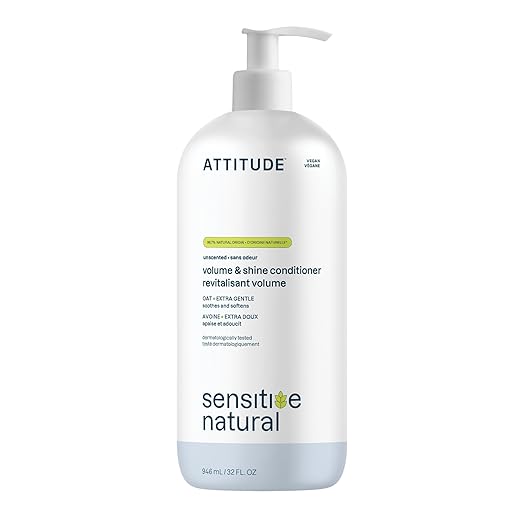
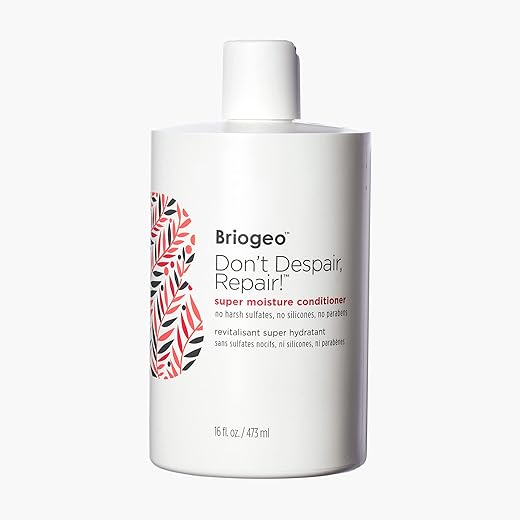
Give your hair time to adjust
Switching to a conditioner without certain ingredients can cause a short adjustment period, especially if your hair was used to heavy silicones.
However, dryness that persists beyond a few weeks is a sign that the conditioner isn’t providing enough moisture – not a sign that your hair just “needs time.”
Listening to these signals helps you avoid staying stuck with a product that isn’t working.
When a broader comparison helps
If you find yourself torn between different types of conditioners – or unsure whether chemical-free, natural, or other options fit your hair best – it can help to look at a broader comparison rather than guessing.
In my main guide on choosing the best conditioner for dry hair without chemicals, I break down different approaches and use cases in more detail, which can make the decision clearer if your hair needs more than one solution.
Final thoughts
Choosing a chemical-free conditioner for dry hair isn’t about avoiding ingredients at all costs. It’s about understanding what your hair actually needs – and making sure the formula supports those needs instead of stripping them away.
Labels can guide you, but they don’t replace awareness. When you know how to read ingredients and listen to your hair, you’re far more likely to find a conditioner that truly helps dryness instead of chasing another promise.