Spilled coffee on your wool rug? Take a breath – you can still save it. Learning how to get coffee out of wool rug isn’t about complicated tricks or harsh chemicals, but about patience, gentle care, and the right steps at the right time.
Wool rugs are made from living fibers that respond to how you treat them. Too much heat or the wrong cleaner, and you risk turning a small spill into permanent damage. But with calm hands and the right approach, even a deep coffee stain can fade quietly away.
In this post, you’ll find everything you need – from what to do the very moment the spill happens, to how to dry your rug so it stays soft, full, and beautiful for years to come.

Act Fast to Prevent Permanent Coffee Stains
Blot the Spill Immediately – Don’t Rub
When it comes to how to get coffee out of a wool rug, speed makes all the difference. Coffee contains tannins that bond quickly with wool fibers, especially when warmth and moisture mix together.
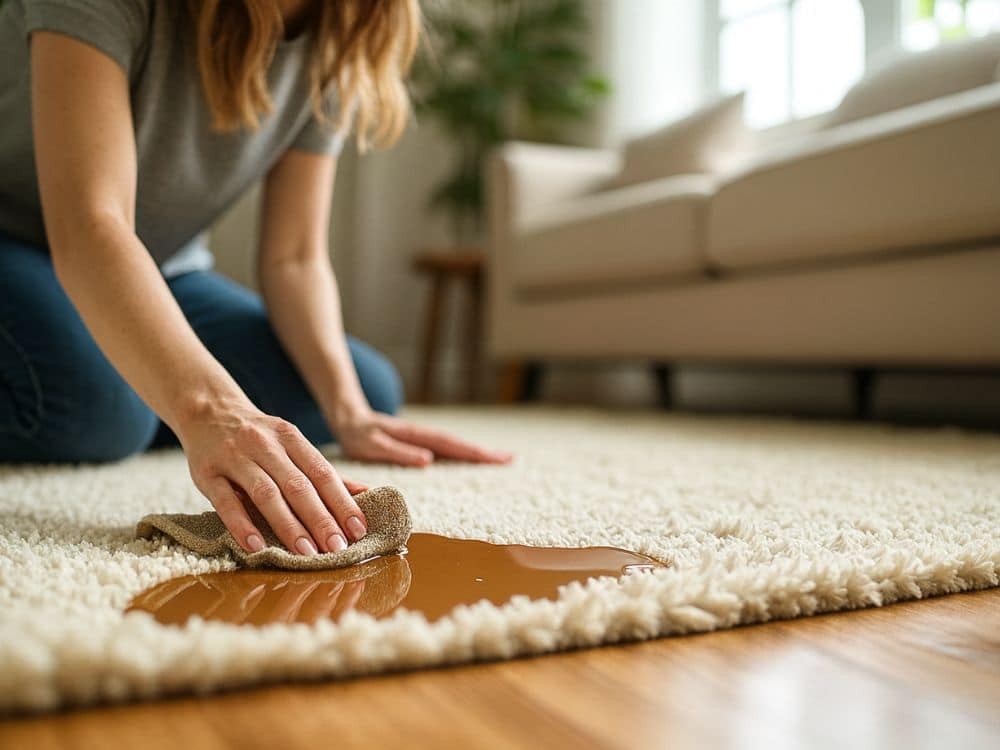
The moment you notice the spill, grab a clean cloth or a few paper towels and press them gently onto the coffee. Use a light blotting motion – think press and lift, not wipe and drag.
Never rub or scrub the stain. Rubbing only drives the coffee deeper into the delicate wool fibers and can harm the rug’s natural texture.
Wool has tiny protective scales that can become matted or misshapen when handled roughly. So, stay gentle – apply steady downward pressure and let the towel absorb the liquid for you.
Work from the outside of the spill toward the center to keep the stain from spreading. Continue blotting until the towel picks up no more coffee.
Remove Excess Coffee with Clean Paper Towels
Once you’ve blotted the initial spill, check how much moisture remains. Fresh coffee spills often leave small pools of liquid on the surface. Use fresh, dry paper towels (never reused ones) to absorb what’s left.
Layer several paper towels over the area and press firmly for 10–15 seconds to let them soak up as much liquid as possible. Replace wet towels with clean ones and repeat until they come away just slightly damp.
For larger spills, you can use clean cotton towels or even place a few sheets of newspaper underneath to boost absorption. The key is to remove as much coffee as possible before it sinks deeper into the rug’s backing.
Avoid Spreading the Stain to Surrounding Fibers
Coffee stains are sneaky – they like to travel. Every time you blot, double-check that you’re not accidentally pushing the stain outward. Work slowly in small sections rather than wiping across a wide area.
Hot coffee spreads faster than cold, and coffee with milk or sugar tends to stick more stubbornly to fibers. If you notice the stain expanding, place clean paper towels or cloths around the edge of the affected area to form a gentle barrier.
And remember: change your blotting materials often. Once a towel becomes saturated, it can re-transfer the coffee back into the rug. Keeping a stack of clean, absorbent towels nearby helps you move efficiently and keeps that little coffee accident from turning into a lasting mark on your beautiful wool rug.
Essential Supplies for Coffee Stain Removal
Gather Cold Water and Clean White Cloths
Cold water is your first and safest step when dealing with coffee on wool. Hot water tends to set the stain permanently by tightening the fibers, so always begin with cold or room-temperature water.
It’s a simple rule that applies to most everyday fabric accidents – lessons drawn from years of experimenting with gentle cleaning methods.
Before you start, prepare several clean white cloths or paper towels. Colored materials can release dyes and make things worse. White cotton cloths absorb liquid effectively and leave no lint, helping you stay in control as you work.
Prepare Dish Soap or Wool-Safe Cleaning Solution
A gentle mixture of dish soap and cold water often works best for fresh coffee spills. Combine one teaspoon of mild soap with two cups of cold water. Avoid products that contain bleach, enzymes, or heavy perfumes – they can damage wool fibers and alter their color.
If your rug is delicate, choose a wool-safe cleaner. These solutions maintain the fiber’s natural pH while loosening the stain without abrasion.
Have White Vinegar Ready for Stubborn Stains
White vinegar serves as both deodorizer and gentle stain remover. Mix one part vinegar with three parts cold water and dab the area softly. The mild acidity helps lift what soap left behind without harming the wool’s texture.
Keep this mixture separate from your soap solution; mixing them weakens both. Always rinse well before moving on to drying.
Keep Dry Towels Nearby for Blotting
Each cleaning step should end with careful blotting. Have several dry towels nearby to absorb leftover moisture before it seeps into the rug’s backing. This prevents dampness and keeps the wool from developing a musty smell later.
Microfiber towels are great for this, but any clean, lint-free fabric will work. What truly restores a rug’s softness is not just technique – it’s patience.

Your Cleaning Method on Hidden Areas
Choose an inconspicuous corner of the rug
Before you do anything to that coffee stain, take a breath and test first. Find a quiet corner of your rug that no one ever notices – maybe the spot tucked behind the sofa or under the side table. That’s your safety zone. If something goes wrong, no one will ever know but you.
Every wool rug has its own personality. Some are older, softer, more fragile. Others hold color like they’ve made a lifelong promise. A cleaner that works perfectly on one can ruin another. Testing might feel like an extra step, but it’s the small act that saves you from turning a tiny coffee mark into a lifelong regret.
When you pick your test area, try to find a section that looks and feels like the stained part – same shade, same texture. That way, you’ll get a real preview of what’s going to happen once you start cleaning for real.
Apply a small amount of cleaning solution
Once you’ve found that hidden spot, use just a drop or two of your cleaning mix. Not enough to soak it – just enough to see how the wool reacts. A cotton swab or soft cloth works well.
Always start gentle. Begin with plain cold water, then, if needed, a little soapy mix. Wool doesn’t forgive harsh chemicals or strong rubbing. Go slow, be patient.
Those who’ve dealt with stubborn fruit stains know that rushing only makes the color spread further – sometimes turning a tiny speck into something much bigger.
Wait for five or ten minutes. Let time reveal what quick eyes can’t. Some changes happen slowly, and you don’t want to miss the early hints that your cleaner might be too strong.
Check for color bleeding or fiber damage
After a few minutes, bend close and take a good look. The best light is natural daylight if you can get it. Watch for fading, darkening, or a bit of color lifting onto your cloth. Run your fingers gently over the spot – it should still feel smooth, soft, alive.
If the texture feels rougher, or if color comes off on your cloth, stop there. That’s your rug’s way of saying, “too much.” Dilute your cleaner more, or just use plain water next time.
And if your rug is old or sentimental, don’t hesitate to call a professional. Some things – like handmade wool or vintage dyes – deserve a bit of expert care. There’s no shame in protecting something that’s been part of your home for years.
Apply the Cold Water Flushing Technique
Pour Cold Water Over the Coffee Stain
Cold water is your first and most faithful ally when rescuing a wool rug from a coffee spill. Pour slowly from a height of about six to eight inches, letting the stream fall gently over the stained spot.
Remember – heat is your enemy here. Hot or even warm water locks the stain deep into the fibers, turning a small mistake into a permanent reminder.
Add just enough water to soak through the stained area, not the whole rug. The idea is to flush out the coffee, not drown the fabric. As the water flows through, you’ll see the brownish tint start to fade – a quiet sign that the stain is loosening its grip.
Blot From Outside Edges Toward the Center
Now comes the part that tests your patience. Take a clean white towel and begin blotting – not rubbing – from the outer edge of the stain toward the center.
It may sound like a small detail, but it’s what keeps the stain from spreading. Colored cloths are off-limits; they can leave you with new stains you didn’t ask for.
Blot gently but firmly, swapping towels as they soak up the coffee. The goal isn’t speed – it’s control. The steadier you work, the more of that deep-brown tint will lift away. Each press feels like progress, small but certain.
Repeat the Process Until Water Runs Clear
This is where persistence truly matters. Keep alternating between flushing with cold water and blotting until the water you lift comes up completely clear. It may take several rounds – sometimes four or five – especially if the coffee had time to settle.
Watch the color on your towels. Each round should leave a lighter mark than the one before. Don’t rush this part; any residue left behind will quietly darken again once the rug dries.
Press Firmly to Extract Liquid From Deep Fibers
Wool holds tight to moisture, hiding it deep within its thick weave. After each rinse, press down hard using a clean, dry towel – even stand on it for a moment if you need to. The goal is to draw the water up from the rug’s base before it has a chance to linger.
You can use a mop handle, a stack of books wrapped in plastic, or simply your hands. That firm, steady pressure helps pull moisture from the layers below, keeping your rug safe from the dampness that can lead to mildew later on.
The Gentle Way: How to Get Coffee Out of Wool Rug and Keep It Soft
Create a mild soap solution with dish detergent
When plain water can’t save the day, it’s time to bring in something gentle but effective – a mild soap solution.
Pour two cups of lukewarm water into a clean bowl and add a teaspoon of soft liquid dish detergent. Stir slowly until a few small bubbles appear. You’re not trying to make a mountain of foam here, just a light, clean mix that’s kind to wool.
The kind of soap matters more than most people think. Avoid anything labeled as “deep cleaning” or “with bleach” – those are too harsh. What you want is something mild, the kind you’d trust on your hands. Clear, simple dish soap works beautifully because it lifts oils and stains without bullying the fabric.
And don’t skip over the temperature detail. Lukewarm water helps the soap work better, but hot water is the enemy – it can lock the coffee stain in place for good. Think of it as giving your rug a warm bath, not a boiling shock.
Apply the mixture with a soft-bristled brush
Dip a soft-bristled brush into your soapy water and give it a little shake to remove the extra liquid. Wool rugs are sensitive, so go for something gentle – natural bristles if you can, or even a clean toothbrush for small spots. For bigger messes, a soft scrub brush does the job nicely.
Begin at the outer edge of the stain and move inward, keeping your strokes light and steady. This keeps the dirty area from spreading and invading clean parts of your rug. Let the brush do the work with just a bit of pressure – enough to lift, not to soak.
Move slowly and refill your brush as needed. Keep it slightly damp, not dripping wet. Too much moisture can seep into the base of the rug, and that’s where mold likes to hide. A slow, steady hand here is worth more than force.
Work in circular motions without aggressive scrubbing
When it comes to wool, technique is everything. Move your brush in small circles, gently and patiently. Avoid the back-and-forth scrubbing – it’s too rough and can tear at the delicate weave. Imagine brushing your favorite sweater – that’s exactly how your rug should be treated.
Let chemistry do the heavy lifting; your job is simply to guide it. Light pressure, calm hands. If the stain doesn’t lift right away, take a breath and repeat rather than pressing harder. Wool rewards patience – it holds beauty best when handled with care.
Give each small section around half a minute of attention before moving on. You’ll notice that the stain softens little by little, almost like it’s letting go of the memory of the spill. Cleaning wool isn’t just about removing dirt – it’s about restoring something precious without hurting it.
Rinse and Remove All Cleaning Residue
Flush the area with clean cold water
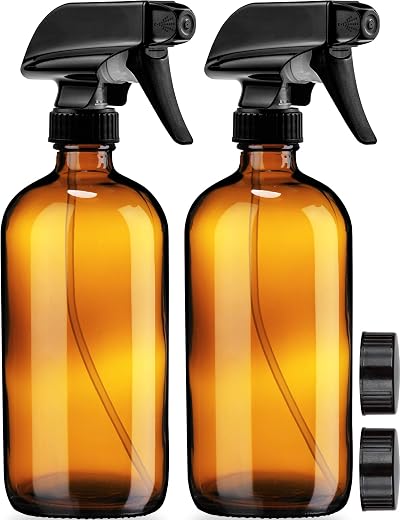
After all that effort scrubbing out the coffee, rinsing becomes the quiet hero of this process. It’s what keeps your wool rug soft and safe in the long run. Fill a spray bottle with fresh cold water – or keep a clean bowl nearby with a soft cloth if you prefer more control.
Start from the outer edges of the cleaned spot and work your way inward, dabbing or misting gently. This simple habit prevents the stain from bleeding outward while helping to lift away any leftover cleaner.
Wool is sensitive to sudden temperature changes, so stick with cold water only. Even slightly warm water can make the fibers tighten or lose their shape.
Use just enough water to loosen what’s left behind – no flooding. Wool rugs drink up moisture like a sponge, and too much of it can spell trouble later: mold, mildew, or a musty smell that won’t go away. Think “damp refresh,” not “soaking bath.”
Blot thoroughly to remove soap traces
Once you’ve done your rinse, blotting is where the magic happens. Take clean white cotton towels or paper towels and press them gently onto the wet spot. Avoid colored ones – the last thing you want is new dye stains showing up where the coffee used to be.
Press down firmly but gently. The goal is to lift the water and any leftover soap without grinding anything back in. Switch to a new towel each time one becomes too damp. It usually takes four to six rounds before the area starts to feel dry again.
Pay close attention to how the surface feels – any slippery or slightly soapy texture means there’s still residue. Soap that stays behind will quietly attract dust and dirt, making that clean patch look dirty all over again. Keep blotting until your towel comes up clean and dry.
Ensure no cleaning products remain in fibers
When you think you’re done, do one last check with your hands. Run your fingers through the wool; clean fibers should feel soft and natural, not slick or sticky. If they do, a final rinse will finish the job.
Dampen a clean cloth with cold water and wipe along the grain of the wool, not against it. This gentle motion removes any stubborn traces and keeps the rug’s texture intact. It’s like brushing its coat back into place after a wash.
Look closely under good light – residues often change how the surface shines or feels. If the treated area still looks duller or rougher than the rest, repeat the rinse and blot just once more. When the rug feels even, looks smooth, and smells clean, that’s when you know it’s truly restored.
Properly Dry Your Wool Rug After Treatment
Extract as much moisture as possible
Once you’ve finished treating the coffee stain, drying becomes the quiet but crucial step. Too much leftover moisture is the quickest path to mold, odor, or fiber damage.
Take a few clean, absorbent towels and press them firmly over the damp area. Hold the pressure steady for about half a minute, then lift the towel straight up – don’t drag it, or you’ll just move the water around.
Keep switching to fresh towels as the old ones get soaked. You’ll know you’re done when they come away barely damp.
For larger areas, a wet vacuum or carpet extractor can help, but set it to low suction and move slowly. Let the machine pull the water up without pressing too hard. Wet wool is delicate – it needs gentle handling, not force.
Lay the rug flat in a well-ventilated area
Next, give your rug a good place to rest. Lay it flat somewhere clean and airy – a spare room, garage, or open hallway all work fine as long as air can move freely.
If possible, lift it slightly on a mesh rack or clean wooden slats so air can reach underneath. That extra airflow keeps hidden moisture from settling in and starting trouble later.
Make sure the treated area faces up so it can dry evenly. Check that the space isn’t dusty or damp – you don’t want your clean rug picking up new grime. Keep the room comfortable and stable in temperature; wool doesn’t appreciate sudden heat or humidity changes. Think calm, steady air, not extremes.
Avoid direct sunlight and heat sources
It’s tempting to speed things up with sunlight or heaters, but resist that urge. Direct sun can fade wool dyes for good, leaving uneven patches that no amount of cleaning can fix. Move the rug away from bright windows during the day, especially in the early afternoon when sunlight is strongest.
Also, keep it well clear of radiators, vents, or fireplaces. High heat can twist and tighten wool fibers, making the rug lose its shape.
Worse, it can bake in any leftover stain instead of helping it fade. Slow drying at room temperature takes longer, yes, but it’s far safer – it lets the natural oils in wool stay intact, keeping the fibers soft and springy.
Use fans to accelerate the drying process
Fans are your best friend here. Place a few around the rug so air can move gently over and under it. Cross-ventilation – air flowing from different directions – makes a huge difference. Even a simple box fan or ceiling fan on medium speed will help.
Avoid blasting air too hard; it can disturb the rug’s fibers or shift it out of place. A few smaller fans usually work better than one strong one because they spread the air evenly. Check the rug every few hours by touching different spots – it should feel cool but not damp.
Depending on humidity and rug thickness, full drying can take anywhere from a day to two. You’ll know it’s ready when you press a clean towel on it and it stays completely dry. That’s the moment you’ll feel a small wave of relief – knowing you’ve saved your rug, one patient step at a time.
Restore Your Rug’s Natural Texture and Appearance
Brush the wool fibers gently once completely dry
Wait until your rug is completely dry – not just on the surface, but deep within. When it’s ready, take a soft-bristled brush and begin restoring the fibers to life.
A natural bristle brush works beautifully, or even a clean toothbrush if you’re working on a smaller area. Move your hand along the direction of the wool’s grain with gentle, sweeping motions.
The cleaning process, especially all that blotting and pressing, tends to flatten the fibers. This brushing step is like waking the rug up after a long nap – it fluffs the strands, separates them, and helps bring back that soft, natural look that makes wool feel so special.
Go slowly and pay attention to how the fibers respond. Wool is surprisingly forgiving, but it still prefers a soft touch. If you feel any resistance, lighten your strokes. This is a moment to be patient and kind – not just to your rug, but to yourself after all that work.
Vacuum the treated area to lift flattened fibers
When the brushing’s done, it’s time for a gentle vacuum to finish the revival. Use an upholstery or brush attachment – never the beater bar – and keep the suction at a medium level. You’re not trying to pull; you’re trying to lift.
Move the vacuum in different directions across the treated area. That change in angle helps raise any fibers still lying flat. You’ll also pick up tiny bits of dried residue or lint from the earlier cleaning steps.
Take your time with this part. Let the hum of the vacuum feel like the final touch of care. Pay attention to the border where the stain used to be – that’s where the fibers often need a little extra blending so everything looks even again.
Check for any remaining discoloration
Now comes the moment of truth. Pull back the curtains, let the daylight in, and really look. Move around your rug and view it from different angles. If the light shifts, so will what you see – sometimes faint shadows or warm tones appear that weren’t visible before.
Run your hand across the area. It should feel smooth and even. Occasionally, a stubborn tint might linger, especially if the spill soaked deep into the pile. Don’t worry if that happens; wool sometimes takes a little time to fully recover.
If, after a full day of drying, the discoloration still stands out, it’s worth repeating the gentlest parts of the cleaning – or calling in a professional who knows how to treat wool properly. What matters is not perfection, but care.
Later in the day, check again under softer light. Evening lamps or indirect light can reveal what daylight misses. And when you finally see your rug – soft, clean, and refreshed – you’ll know every careful step was worth it.
Final Thoughts
Cleaning a wool rug takes more than effort – it takes patience and care. Every gentle press, every slow rinse, is a quiet act of preservation.
Don’t worry if a faint mark remains; not every trace needs to disappear. Sometimes those small imperfections are reminders of life being lived – of warmth, of mornings, of moments that matter.
What truly counts is that you cared enough to restore it with calm hands and a steady heart. That’s how both rugs – and days – are made new again.