Organic conditioner can be a better choice for dry hair when your scalp is sensitive, your hair is mildly dry, or heavy formulas leave buildup. But organic does not automatically mean more moisturizing, more protective, or better for every type of dryness.
The real question is not whether an organic conditioner sounds cleaner. It is whether the formula gives your dry hair enough moisture, slip, and softness between washes. This guide explains when organic conditioner helps, when it falls short, and how it compares with chemical-free conditioner for dry hair if you are trying to choose the gentlest option without leaving your hair rough or under-conditioned.
- When organic conditioner is genuinely useful for dry hair
- Why the organic label does not guarantee deep moisture
- How to tell if your hair needs a richer formula
- Which conditioner type fits your dryness level and scalp sensitivity
Is organic conditioner really better for dry hair?
- Better for mild dryness Organic conditioner can help when dry hair feels slightly rough, scalp-sensitive, or weighed down by heavier formulas.
- Not enough for every dry hair type Deeply dry, damaged, coarse, or high-friction hair may need a richer conditioner than the organic label alone can promise.
- Formula matters more than the label Look for moisture, slip, and softness that last between washes instead of choosing only by organic or natural wording.
- Scalp comfort is a real benefit If your scalp reacts easily, a calmer organic-style formula may feel better than a heavily fragranced or overly coating conditioner.
- Test the result between washes A good conditioner should leave hair easier to detangle and less rough after drying, not just soft for a few minutes in the shower.
Organic is a useful preference, but dry hair still needs performance: moisture, slip, and protection.
What “organic” really means in conditioner
Organic conditioner
In hair care, organic usually refers to how some plant-based ingredients are sourced or grown. It does not automatically tell you how moisturizing, softening, or protective the conditioner will be on dry hair.
Natural conditioner
Natural usually describes ingredient origin, but it does not guarantee that a formula is gentle, rich enough, or suitable for hair that tangles, frizzes, or dries out quickly.
Chemical-free conditioner
Chemical-free is mostly marketing shorthand for formulas made without certain ingredients people want to avoid. It does not literally mean the product contains no chemicals.
Moisture
Moisture helps dry hair feel less stiff and less thirsty after washing. For dry hair, the key question is whether softness lasts after the hair dries.
Slip
Slip is the smooth, lubricated feel that helps strands separate without pulling. Dry hair needs enough slip to reduce friction, tangles, and breakage.
Protection
Protection means the conditioner leaves enough softness or light coating to slow moisture loss without making hair heavy, greasy, or coated.
When organic conditioner is a better choice for dry hair
- Your dryness is mild, not deeply damagedOrganic conditioner can be a good fit when your hair feels slightly dry, dull, or rough at the ends but still has flexibility and movement.Look forHair feels a little dry after washing, but it still detangles without major pulling and does not feel brittle.AvoidExpecting a light organic formula to fix severe dryness, heat damage, or rough ends that lose softness within hours.
- Your scalp reacts easily to heavier formulasIf your scalp feels tight, itchy, or uncomfortable with strongly scented or coating-heavy conditioners, a calmer organic-style formula may feel better.Look forA scalp that feels neutral after washing, with less itch, tightness, or discomfort than before.AvoidChoosing essential-oil-heavy organic formulas if fragrance or tingling already makes your scalp reactive.
- Your hair gets weighed down quicklyOrganic conditioner may help if your dry hair needs softness but becomes flat, greasy, or coated with richer products.Look forHair feels lighter after conditioning, but the ends still have enough softness to avoid roughness and tangling.AvoidGoing too minimal if your hair feels light but still dry, straw-like, or hard to detangle after drying.
- You want cleaner sourcing, but still need performanceOrganic can support your ingredient preferences, but dry hair still needs moisture, slip, and protection that last beyond the shower.Look forA formula that fits both your values and your hair behavior between washes.AvoidTreating the organic label as proof that the conditioner will be moisturizing enough for your dryness level.
- You are willing to test results between washesThe best way to judge an organic conditioner is by how your hair feels after drying and before the next wash, not only while rinsing.Look forLess tangling, less roughness, and softness that lasts longer than the first hour after washing.AvoidSwitching products after one wash unless your scalp feels irritated or your hair feels clearly worse.
If your hair feels soft only while the conditioner is on, then turns rough, tangled, or stiff after drying, the formula may be too light for your dryness level. In that case, the better choice is not simply “more organic” – it is a conditioner with enough moisture, slip, and protection to support your hair between washes.
Organic conditioners worth considering by dry-hair need
Lightweight Organic-Style Pick: Acure Ultra Hydrating Conditioner
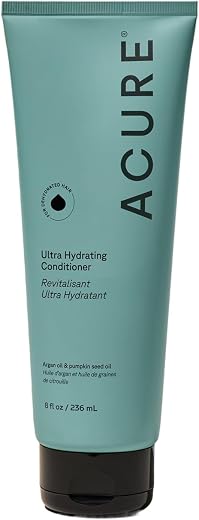
A lightweight conditioner for fine, dry, or color-treated hair that needs moisture without losing movement or feeling coated.
Rich Organic Cream Pick: INNERSENSE Organic Beauty Hydrating Cream Conditioner

A richer cream conditioner for thick, coarse, or thirsty hair that needs more slip, frizz control, and lasting softness.
Sensitive Scalp Pick: ATTITUDE Nourishing Hair Conditioner

A gentle conditioner for dry hair with a sensitive scalp, using oat and avocado oil for softer-feeling lengths.
Deep Hydration Pick: SheaMoisture Intensive Hydration Conditioner

A deeper moisture conditioner for dry or damaged hair that needs more softness, flexibility, and support after washing.
Weekly Reset Pick: SheaMoisture Intensive Hydration Hair Masque
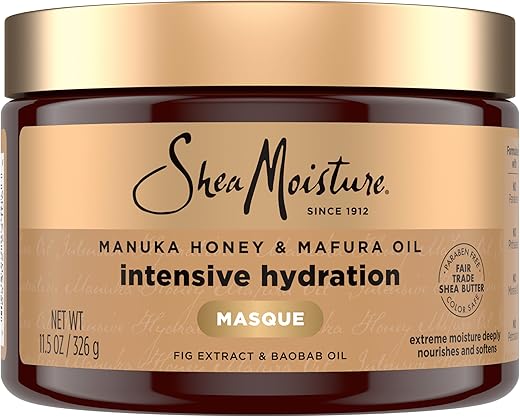
A weekly moisture mask for very dry or damaged hair that needs deeper softness beyond regular rinse-out conditioner.
How to tell if an organic conditioner is actually helping your dry hair
-
Use it consistently for a few washes
Do not judge only by the first rinse unless your scalp reacts badly. Dry hair often needs a few washes before you can see whether softness lasts.
-
Check how your hair feels after drying
A good conditioner should leave hair softer after it dries, not just slippery while the product is still on in the shower.
-
Watch detangling and friction
If knots release more easily and you pull less while combing, the conditioner is giving your dry hair useful slip.
-
Notice whether softness lasts between washes
Organic conditioner is a better choice only if your hair stays more flexible, less rough, or easier to manage after wash day.
-
Stop if your scalp or hair feels worse
If your scalp feels itchy, tight, or irritated, or your hair feels rougher and more tangled, the formula is not the right match.
The best test is not whether the label sounds clean. It is whether your hair feels softer, calmer, and easier to handle after it dries.
If your hair stays rough after a few consistent washes, the next step is not just finding a more organic label. Use this guide on how to choose a chemical-free conditioner for dry hair to compare moisture, slip, and softness by hair type.
Choose the conditioner your dry hair actually responds to
- Use organic as a preference, not a performance guarantee
- Judge results after your hair dries, not only in the shower
- Match conditioner richness to your dryness level
Organic conditioner can be a better choice for dry hair when it supports scalp comfort, light moisture, and less buildup. But if your hair stays rough, tangled, or thirsty after drying, the better choice may be a richer conditioner or a weekly mask—not simply a more organic label. For a broader product comparison, use this guide to the best conditioner for dry hair without chemicals after you know whether your hair needs a lightweight, richer, or deep-conditioning formula.