How to create a quiet sitting corner at home doesn’t start with buying new things.
It often begins much earlier – with the way we notice our space, our body, and the small moments when everything feels just a little too loud.
This guide focuses on one simple, practical situation: sitting down. Not to meditate perfectly or create a beautiful corner, but to sit in a way that lets the body soften instead of brace.
The steps below are meant to be done slowly, using what you already have.
They’re part of a broader way of approaching everyday comfort – where small adjustments matter more than new purchases, and feeling at ease matters more than how things look.
I don’t recommend products casually or encourage unnecessary buying.
When products appear here, they’re included because they genuinely help solve specific problems and are well-reviewed by people who actually use them.
Helpful items (only if you don’t already have them)
You don’t need to buy anything to start. But if your body keeps shifting, adjusting, or feeling uncomfortable after a few minutes of sitting, it’s usually a sign that support is missing – not willpower.
The items below are meant to reduce physical effort, not to decorate your space or encourage unnecessary buying.
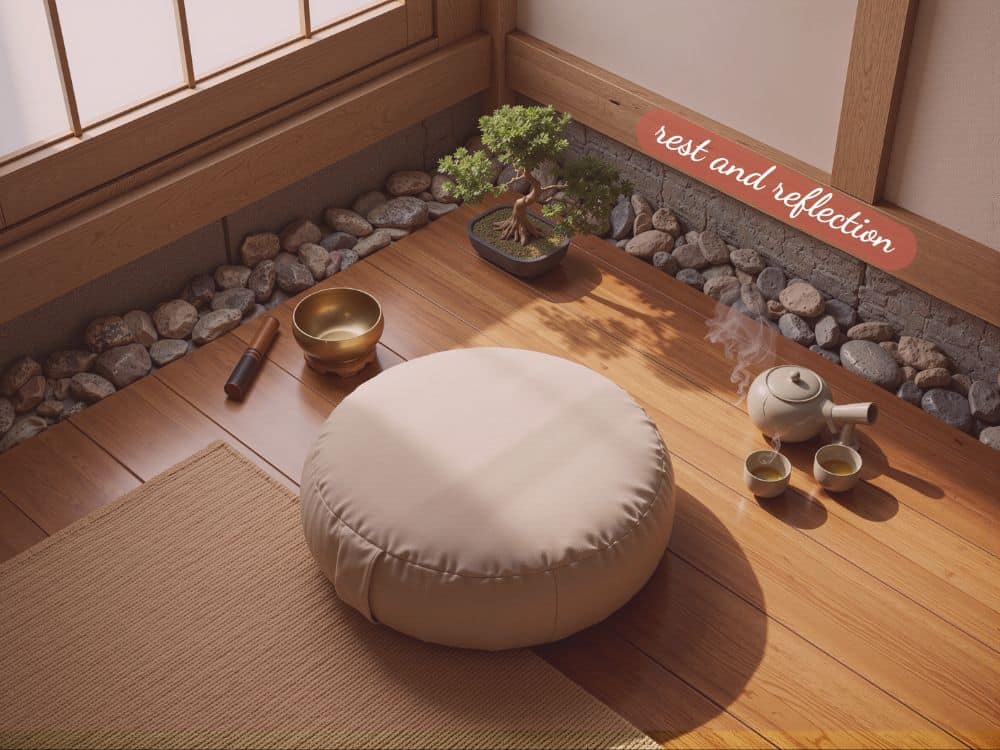
Meditation cushion or firm floor pillow
Why it helps
When your hips are slightly supported, your spine doesn’t have to “hold itself up” the whole time.
This often makes sitting still feel possible, instead of tiring.
You don’t need this if…
- You can already sit comfortably on a chair or sofa for 10 minutes without fidgeting
- Your lower back and hips feel relaxed, not strained
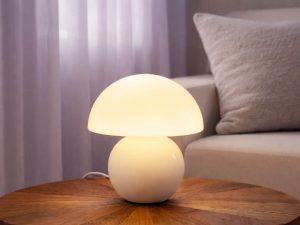
Soft, warm table lamp or floor lamp
Why it helps
Harsh overhead light keeps your nervous system alert, even when you want to slow down.
A warm, low-positioned light helps your eyes soften – and your body often follows.
You don’t need this if…
- The corner you choose already has gentle natural light
- Your current lamp doesn’t shine directly into your eyes
Simple lumbar support or folded cushion
Why it helps
Many chairs look comfortable but offer no real support for the lower back.
A small cushion can remove that constant, invisible effort your body makes to stay upright.
You don’t need this if…
- Your chair already supports the natural curve of your lower back
- You can sit without feeling the urge to lean forward or slouch
These items don’t create calm by themselves.
They simply remove small physical barriers so your body can stop adjusting and start resting.
STEP-BY-STEP GUIDE
Step 1: How to create a quiet sitting corner at home by choosing the right place
Before thinking about cushions or lamps, take a slow look around your home.
A quiet sitting corner doesn’t need to be hidden or beautiful – it just needs to feel less disturbed.
Pay attention to:
- Areas away from constant noise (TV, kitchen, street sounds)
- Corners where movement is minimal
- Spots where your body doesn’t immediately tense up
You’re not choosing a “perfect” place.
You’re choosing a place where your body can stop being on alert.
No products are needed for this step.
If a corner already feels slightly calmer than the rest of your home, that’s enough to begin.
Step 2: Reduce visual noise before adding anything
Once you’ve chosen a place, don’t add objects yet.
Instead, make the space visually quieter.
Try this first:
- Turn your chair or cushion away from busy areas
- Move unnecessary items out of your direct line of sight
- Let the space stay simple, even if it looks unfinished
Visual calm often comes before physical comfort.
When your eyes stop scanning, your body has a better chance to slow down.
Helpful support (only if visual distraction is hard to reduce)
- A simple screen, curtain, or shelf you already own
Can help block movement or clutter from view.
You don’t need this if turning your chair or clearing one surface already helps.
(No buying suggested here – use what you already have.)
Step 3: Sit with what you already have
When creating a quiet sitting corner at home, comfort matters more than posture rules or perfect positions.
Before changing anything, sit down using what’s already available in your home.
A regular chair, the edge of a sofa, or even the floor with a folded towel is enough to start.
Stay still for a few minutes and notice:
- Do you keep shifting your weight?
- Does your lower back start to feel tired?
- Are your shoulders slowly lifting without you noticing?
These signs don’t mean you’re doing it wrong.
They simply show whether your body feels supported – or is quietly working too hard.
Give this step time.
It helps you understand what your body actually needs before adding anything.
Helpful support (only if sitting still feels uncomfortable)
- Meditation cushion or firm floor pillow
Slightly lifts the hips so the spine can relax instead of holding itself upright.
You don’t need this if you can already sit comfortably for about 10 minutes without fidgeting. - Small lumbar cushion or folded towel
Supports the natural curve of the lower back when sitting on a chair.
You don’t need this if your chair already feels supportive and relaxed.
Step 4: Adjust light to signal safety, not focus
Once place and posture feel settled, look at the light around you.
Light affects how alert your body feels, even when you’re sitting still.
If the light is harsh or directly overhead, your body may stay on “focus mode.”
Instead of adding brightness, try softening it.
A calmer setup often means:
- One light source instead of many
- Light placed to the side, not in front of your eyes
- Warm, gentle light rather than bright white
When your eyes relax, breathing often slows naturally.
Helpful light (only if current light feels too harsh)
- Soft, warm table lamp or floor lamp
Helps reduce visual strain and nervous system alertness.
You don’t need this if natural light or your current lamp already feels gentle and indirect.
Step 5: Stay still long enough for your body to trust the space
Once place, posture, and light feel settled, the most important step is time.
Real rest doesn’t happen the moment you sit down.
Give yourself 5–10 minutes without adjusting anything.
- Don’t check your phone
- Don’t correct your posture repeatedly
- Don’t look for a “better” feeling
Your body needs a few quiet minutes to realize it doesn’t have to prepare for the next task.
If rest feels slightly uncomfortable at first, that’s normal.
Often, discomfort fades once the body stops anticipating movement.
Helpful support (only if staying still feels restless)
- Lightweight blanket or shawl
Gentle weight can help the body feel contained and safe.
You don’t need this if your body already feels settled without it.
Tips & gentle reminders
- If your breathing slows naturally, your body is resting
- Comfort should feel supported, not forced
- If you keep adjusting, it’s usually a support issue – not a discipline issue
- A quiet sitting corner doesn’t need to be permanent
- Use the space when you need it, then let it go
Quiet closing
A quiet sitting corner isn’t about creating a special place in your home. It’s about creating a moment where your body doesn’t have to prepare, perform, or adjust.
If you sit down and feel just a little less guarded than before, then the corner – and the work – is already enough.
Tip: When checking reviews on Amazon, focus less on star ratings and more on repeated experiences, real photos, and comments from long-term users.