A sudden chill can turn vibrant blooms into wilted stems overnight, leaving gardeners and flower lovers anxious about their fragile treasures.
Cold weather doesn’t affect all flowers in the same way – some can survive a touch of frost, while others wither at the first drop in temperature. Without the right knowledge, both gardens and floral arrangements risk lasting damage.
In this post, we’ll look at how long can flowers be in the cold and what you can do to protect them – from outdoor garden beds to fresh cut bouquets in your home. (For deeper insights into plant hardiness, you might also find the Royal Horticultural Society’s winter care guide helpful.)
Whether you’re a home gardener nurturing your favorite blooms, a florist storing delicate bouquets, or simply someone who loves the comfort of fresh flowers indoors, these tips are for you.
You’ll learn the cold tolerance of popular varieties, how to spot early warning signs of damage, and simple yet effective ways to keep your flowers fresh longer.
Let’s explore how to safeguard your blooms so they stay beautiful, even when the temperatures drop.
Understanding cold tolerance limits for different flower types
Hardy vs. tender flower varieties and their temperature thresholds
How long flowers can be in the cold depends greatly on whether you’re caring for hardy or tender varieties.
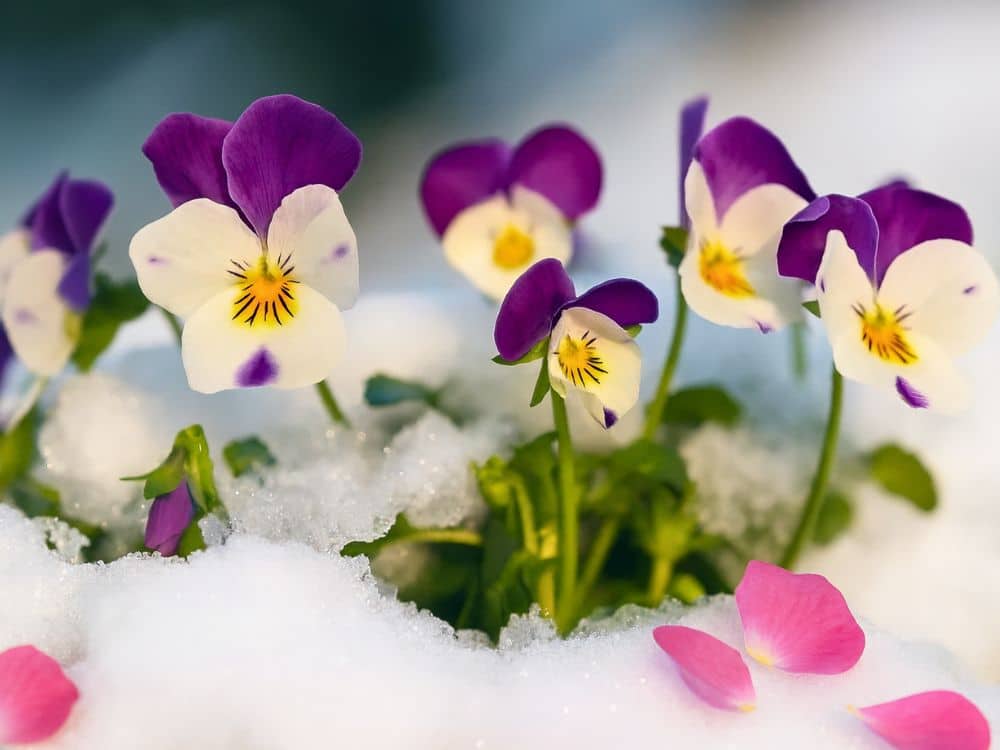
Hardy flowers like pansies, snapdragons, and calendulas can withstand temperatures as low as 25°F (-4°C) for several hours without serious damage. These resilient blooms often recover quickly, even after a light frost.
Tender flowers, however, tell a different story. Impatiens, begonias, and geraniums start showing stress around 40°F (4°C) and face severe damage once temperatures dip below 32°F (0°C).
Tropical favorites such as hibiscus and bougainvillea are even more sensitive – they struggle with anything below 50°F (10°C) for more than a few hours.
| Flower Type | Temperature Threshold | Cold Exposure Duration |
|---|---|---|
| Hardy annuals | 25°F (-4°C) | 6–8 hours |
| Semi-hardy perennials | 28°F (-2°C) | 4–6 hours |
| Tender annuals | 32°F (0°C) | 2–3 hours |
| Tropical varieties | 50°F (10°C) | 1–2 hours |
Seasonal flowers and their natural cold resistance
Spring bloomers like tulips and daffodils naturally handle colder weather better, since they evolved to push through frosty ground. These bulb flowers can survive overnight lows in the mid-20s without lasting harm.
Summer flowers, such as marigolds and zinnias, show moderate cold tolerance. They manage cool nights around 35°F (2°C) but falter when temperatures fall further, as their cell structures simply aren’t built for freezing.
Fall flowers like chrysanthemums and asters come prepared with built-in cold resistance. They can endure 28°F (-2°C) for extended periods, making them reliable choices for late-season gardens.
Winter-flowering plants are the ultimate survivors. Hellebores and winter jasmine actually prefer the chill, often blooming beautifully even with snow on the ground.
Cut flowers vs. potted plants: different survival rates
Cut flowers face unique struggles in the cold since they lack root systems to regulate temperature. Most cut flowers last about 2–4 hours at 35°F (2°C), but once freezing hits, stems become brittle and cellular damage begins within 30–60 minutes at 28°F (-2°C).
Potted plants, on the other hand, benefit from soil insulation and their intact roots. This natural buffer allows container plants to survive 4–6 hours longer in the cold compared to cut flowers.
Pot size also matters: larger containers retain more heat, while small pots offer little protection and act more like cut arrangements in their vulnerability.
How long can flowers be in the cold? Recognizing early warning signs of damage
Visual indicators of frost damage on petals and leaves
Frost damage shows up in distinct ways that every gardener and flower lover should learn to recognize. The most obvious sign is the translucent, water-soaked look that petals and leaves take on after cold exposure.
Fresh petals are normally crisp and opaque, but once damaged, they become glass-like and limp to the touch
Black or brown spots scattered across petals indicate severe frost injury. These dark patches mark the areas where ice crystals ruptured cell walls, usually appearing along the delicate petal edges first.
Leaves show similar damage, though with their own signals. They develop dark, irregular patches that spread quickly, while leaf margins often turn black or deep brown, creating a scorched look that’s hard to mistake.
White or silver streaks running through petals and leaves reveal where ice formed within plant tissue. These streaks follow natural vein patterns, leaving behind a distinctive roadmap of cold injury that seasoned gardeners recognize instantly.
Wilting patterns that signal temperature stress
Wilting from cold follows a different rhythm than drought stress. Instead of a gradual droop, cold-damaged flowers collapse suddenly and uniformly. The stems may stay rigid, but the blooms hang heavily at odd angles.
Timing is key. Flowers that look perfectly fine in the evening but appear wilted by morning likely suffered cold shock. This rapid overnight change happens when freezing ruptures cell walls, causing immediate collapse.
When multiple flowers on the same plant wilt at once, it usually points to cold damage rather than natural aging. The outer petals tend to droop first, creating an “inside-out” wilting pattern that’s a classic sign of temperature stress.
Color changes that indicate cellular damage
Cold exposure also triggers predictable color changes, helping you gauge how long flowers can be in the cold before reaching the point of no return. Purple or blue tints along the petal edges mark the early stages of cold stress, caused by the release of anthocyanins.
Yellow streaks through normally pale petals signal disrupted pigment production, while deep red or burgundy tones in pink flowers suggest advanced damage as cell contents concentrate.
Brown discoloration creeping inward from the tips shows the final stage of injury – once this sets in, those petals won’t recover.
Green flowers reveal damage differently, with yellow or white patches standing out starkly as chlorophyll breaks down under freezing stress.
Essential protection methods for outdoor garden flowers
Mulching techniques to insulate root systems
Think of mulching as wrapping your flower roots in a cozy blanket. A 3–4 inch layer of organic mulch helps stabilize soil temperatures during sudden cold snaps, but keep it about 2 inches away from stems to prevent rot or pest issues.
The best mulching materials for winter protection are shredded bark, straw, pine needles, and fallen leaves. These natural layers trap air pockets, creating insulation that keeps roots warmer. Avoid rocks or gravel, which actually transfer cold into the soil.
Timing makes all the difference. Wait until the ground has slightly frozen – usually after the first light frost – before applying mulch. This prevents plants from staying too warm for too long, which could delay dormancy and leave them more vulnerable to sudden freezes.
For extra-tender perennials, mound additional mulch directly over the crown after dieback to form a protective dome. Roses, tender bulbs, and borderline-hardy perennials benefit especially from this method.
Cover systems using frost cloths and temporary structures
Frost cloths and row covers can extend your blooming season by 2–4 weeks, shielding plants from unexpected cold.
These lightweight fabrics allow light and moisture to pass through while trapping warmth around the flowers. Standard frost cloths can protect down to 28°F, while heavier covers offer protection to 24°F.
For larger beds, create temporary hoop houses with PVC pipes or metal hoops draped in frost cloth. For individual plants, tomato cages or stakes keep fabric from crushing delicate blooms.
If you’re caught off guard, emergency protection can come from blankets, sheets, or even cardboard boxes.
Just avoid placing plastic directly on plants – it transfers cold and often does more harm than good. Always remove covers once the sun rises and temperatures climb above freezing to prevent overheating.
Strategic watering schedules to prevent freeze damage
Water plays a surprising role in cold protection. While moist soil holds heat better than dry soil, overwatering can freeze roots solid – so timing is everything.
Deep water your garden 2–3 days before a frost is expected. This gives roots time to absorb the moisture while letting the soil surface dry slightly. Well-hydrated plants always handle cold stress better than drought-stressed ones.
Morning watering is ideal during cold spells, giving plants time to absorb water and allowing excess moisture to evaporate before nightfall. Avoid evening watering – wet leaves and soil surfaces invite frost damage.
For container plants, water sparingly but don’t let them go bone dry. Dry roots are fragile in cold, but waterlogged pots freeze easily, damaging both the roots and the containers themselves.
Microclimate creation around vulnerable plants
Knowing how long flowers can be in the cold often depends on the protective microclimates you create.
Place tender plants near south-facing walls, large rocks, or concrete pathways. These absorb heat during the day and release it slowly overnight, often raising temperatures nearby by 5–10°F.
Wind protection also makes a major difference. Burlap screens, bamboo fencing, or even evergreen branches can block harsh winds, which otherwise lower effective temperatures by 10–20°F.
For potted flowers, clustering them together helps create shared warmth. Move containers close to the foundation of your house, where residual building heat provides extra protection.
Finally, reflective mulches such as aluminum foil or pale stones bounce sunlight back toward plants, giving them an extra dose of daytime warmth and extending their comfort zone.
Smart indoor storage solutions for cut flower arrangements
Optimal refrigeration temperatures for maximum longevity
The ideal temperature for storing cut flowers is surprisingly cool – between 33°F and 35°F (0.5°C to 1.7°C). At this range, bacterial growth slows dramatically while flowers remain just above freezing.
Many florists set their coolers to 34°F, which can extend the life of blooms by half compared to keeping them at room temperature.
Different flowers, however, have their own comfort zones. Hardy blooms like chrysanthemums and carnations can handle a dip to 32°F for a short while.
Roses and lilies are happiest in the middle, around 33–34°F. More delicate, tropical varieties such as orchids or anthuriums should never go below 35°F, as their petals bruise easily in colder air.
Your home refrigerator usually runs a bit warmer, around 35–40°F. This is still good for most flowers, though not quite as effective as a professional cooler.
Always place arrangements in the main compartment, never the crisper drawer where humidity runs high, and avoid storing them near the freezer vents where temperatures swing sharply.
Proper hydration methods during cold storage
Cold storage slows water uptake, which makes hydration techniques essential. Before placing flowers in the fridge, trim each stem at a 45-degree angle under running water. This angled cut creates more surface area for drinking and keeps stems from sitting flat against the vase bottom.
Give your flowers a strong start with lukewarm water – around 100–110°F. Warm water flows more easily through stems, helping them absorb deeply before they settle into cold storage.
For an extra boost, add either floral preservative or a simple homemade mix: one teaspoon sugar, one teaspoon bleach, and two teaspoons lemon juice per quart of water.
Even in cold storage, flowers continue to drink. Check water levels daily and replace the water every two to three days. Use room-temperature water when refilling rather than cold tap water, which can shock the stems.
Container selection for temperature-sensitive blooms
The vase or container you choose also affects how long flowers last in the cold. Glass is a classic option – clean, odor-free, and easy to disinfect.
Plastic works well too, offering a little more insulation against temperature changes. Metal, however, should be avoided since it conducts cold too quickly and can chill stems unevenly.
A wide-mouth container allows for better airflow around the stems, reducing the risk of fungal buildup inside the fridge. The container should be tall enough to support the blooms but not so tall that flowers touch the refrigerator ceiling when the door closes.
For fragile flowers, you can create a mini-humidity chamber. Slip a clear plastic bag loosely over the arrangement and poke several small holes for ventilation. This helps retain moisture while preventing condensation that can damage petals.
Some florists use floral foam made for refrigeration. This special foam stays moist longer at low temperatures, providing consistent hydration for cut stems.
Timing strategies for moving flowers between temperatures
Just as people can get “shock” from sudden temperature changes, flowers can too. To prevent damage, ease them gradually into cold storage. First, place the bouquet in a cool room (60–65°F) for about 30 minutes before moving it into the refrigerator.
The length of time flowers can stay in the cold depends on their type. Hardy blooms like chrysanthemums and alstroemeria last 7–10 days when stored properly. Roses and lilies usually hold their beauty for 5–7 days, while delicate flowers like poppies or hibiscus should only remain in cold storage for 2–3 days.
When you’re ready to use your flowers, reverse the process. Move them first into a cool room, then gradually let them reach room temperature over 30–60 minutes. This prevents condensation from forming on the petals and keeps colors vibrant.
Once flowers reach room temperature, plan to use them within 2–3 hours for the freshest look. If you’re not ready yet, it’s better to keep them in cold storage a little longer rather than moving them back and forth between warm and cold.
Emergency revival techniques for cold-damaged flowers
Gradual warming methods to restore compromised blooms
When flowers experience cold shock, bringing them back requires patience. Sudden changes in temperature can stress them further, so the key is gradual warming.
Begin by moving cold-damaged flowers into a cool, sheltered space with temperatures around 50–55°F. Keep them away from direct heaters, radiators, or bright sunlight, which can dry them out too quickly.
After two to three hours, slowly raise the temperature by 5–10 degrees each hour until reaching room temperature.
For severely weakened blooms, you can create a gentle humidity tent with a clear plastic bag or glass cloche. This helps maintain moisture levels while the flowers adjust. Once petals begin to soften and lift again – usually within 6–12 hours – remove the cover.
A light misting can also support recovery. Use lukewarm water in a fine spray bottle, focusing on stems and leaves rather than fragile petals. The evaporation warms them gently while providing hydration.
Stem trimming and water replacement for recovery
Cold exposure often blocks the stem’s vascular system, making it harder for flowers to absorb water. Fresh cuts and clean water are essential for revival.
Trim 1–2 inches from the bottom of each stem at a diagonal, always under running lukewarm water. This removes ice-damaged tissue and prevents air bubbles from entering. Use sharp, sterile scissors or pruning shears to ensure a clean cut that maximizes absorption.
Replace vase water with a fresh solution of room-temperature water and flower food. The sugars provide energy, while the antimicrobial agents keep stems free from bacteria.
If flower food isn’t available, make a simple homemade mix: one teaspoon sugar, one teaspoon bleach, and two teaspoons lemon juice per quart of water.
Check water levels daily, and replace the water every 2–3 days. Cold-damaged flowers often drink more than usual as they work to repair and restore themselves.
Nutrient supplements to boost weakened flowers
Sometimes flowers need an extra boost to recover fully. A few simple supplements can make a surprising difference.
- Vitamin C: Add a crushed 500mg tablet to a quart of water. The antioxidants help repair oxidative damage caused by freezing. Roses and chrysanthemums, in particular, respond well.
- Sugar solutions: Beyond standard preservative mixes, try alternating with a slightly stronger sugar water (two tablespoons per quart) every other day during the first week. This provides quick energy for recovery.
- Epsom salt: Mix one teaspoon per gallon of water to add magnesium, which supports chlorophyll production and healthier foliage.
- Aspirin: Dissolve one tablet in a quart of water to improve water uptake and reduce tissue stress. The salicylic acid works like a calming aid for damaged stems.
Monitor how your flowers respond, and reduce concentrations if any adverse effects appear. With consistent care, most blooms begin to show signs of recovery within 24–48 hours.
FAQ
How long do fresh flowers last?
Freshly cut flowers typically last 7–10 days with proper care. Hardy blooms such as chrysanthemums and carnations often outlast more delicate varieties. Keeping flowers in a cool room, trimming stems every few days, and refreshing the water regularly all help extend their beauty.
How long do flowers last in a vase?
Most cut flowers will look good for 5–7 days in a vase, though some hardy types can stretch closer to 10 days. To maximize vase life, change the water every 2–3 days, clean the vase, and remove any leaves that sit below the water line.
How long can flowers last in a car?
If the car is cool and shaded, flowers may survive for 2–4 hours without serious damage. In hot conditions, wilting can begin in less than an hour.
In freezing conditions, the survival time depends on the variety – some hardy flowers tolerate the cold a bit longer, while tropical blooms can be damaged within 30–60 minutes. This is where the question of how long can flowers be in the cold becomes most practical.
How long does a bouquet of flowers last in water?
With daily care, most bouquets last about 5–7 days in fresh water. Adding flower food, trimming stems at an angle, and keeping the bouquet away from direct sun or heating vents can extend that time to a week or more.
How long do roses last after you buy them?
Roses are among the more delicate blooms, but with proper care they can last 7–14 days after purchase. Trim the stems every couple of days, refresh the vase water often, and keep them away from drafts or warm spots to get the best life from your bouquet.
How long can roses last without water?
Roses begin to wilt within just a few hours if left without water – often between 2–8 hours, depending on the room temperature and humidity. If you need to transport roses, wrap the stems in damp paper towels and place them in a plastic bag to give them temporary hydration until they reach a vase.
Sources & References
Floraly – The Longest Lasting Flowers
The Spruce – How Long Can Flowers Go Without Water?
FlowerAdvisor – Tips to Keep Flowers Fresh in the Car
Dragonetti Florist – The Lifespan of Different Flowers
Keep your flowers alive, no matter the cold
Cold nights don’t have to mean the end of your flowers. With the right care, you can protect them, revive them, and enjoy their beauty for days longer. You’ve learned how long can flowers be in the cold, how to recognize the warning signs, and what it takes to keep blooms alive indoors and out.
Now it’s your turn. Don’t wait for frost to claim your garden or bouquet. Wrap your roots in mulch. Cover your beds before nightfall. Store your cut arrangements with care.
Take action today – shield your flowers, extend their life, and let their beauty brighten every space you love.
For a gentle, big-picture guide to caring for your whole garden through winter, see Winter Garden Care: Keep Your Green Space Alive Through the Cold