When a dad, grandfather, or father figure loses his partner, the most helpful gesture is rarely the most impressive one. Begin by noticing what has quietly changed in daily life and what kind of support he can receive without having to explain, perform gratitude, or talk before he is ready.
The ideas below begin with presence, practical help, familiar routines, and private memory support. Products appear only when they make one of those gestures easier; they are not substitutes for continued contact, patience, or care.
What Helps Most When He Is Grieving
Use these caring gesture options for a widowed paternal figure as starting points, then adjust based on his personality, closeness to you, and what he is ready to receive.
What Low-Pressure Support Can Look Like
- Caring gesture
A specific action that reduces one burden, offers companionship, preserves a familiar routine, or reminds him that support has not disappeared after the first difficult weeks.
- Low-pressure support
Care that does not require an immediate reply, a public emotional reaction, a detailed conversation, or a promise to use the gift in a particular way.
- Memory support
Photos, keepsakes, stories, or shared projects offered only when he seems ready. The purpose is to preserve connection, not to decide when or how he should revisit the past.
How to Choose the Right Caring Gesture
- Notice what has actually changedAfter a partner dies, meals, errands, appointments, household tasks, family communication, or evening routines may work differently. Observe before deciding which part of life needs help.Look forA repeated task, missing routine, practical burden, or difficult time of day you have genuinely noticedAvoidAssuming who handled each household role or treating widowhood as evidence that he cannot manage
- Offer one specific form of helpA clear offer is easier to accept than a broad promise. Name what you can do, when you can do it, and whether he needs to prepare anything.Look forA meal delivered on a named day, one errand, a lift to an appointment, a short visit, or help with one household taskAvoidSaying “let me know if you need anything” and leaving all planning to him
- Respect privacy and emotional timingSupport should not require him to talk about grief, open old photographs, display a memorial item, or respond warmly before he is ready.Look forGestures he can receive privately, postpone, decline, or use without explaining himselfAvoidPublic surprises, forced conversations, or sentimental gifts chosen mainly for the giver’s emotional response
- Choose something you can repeatSupport often fades after the funeral and the first weeks of attention. A modest gesture that can continue may be more helpful than one dramatic delivery.Look forA realistic check-in, meal, visit, call, or practical task you can offer againAvoidA large one-time gesture that creates attention but no continued support
- Own the setup and follow-throughWhen a product, device, meal service, photo project, or household tool is involved, the giver should be prepared to handle the work that makes it useful.Look forSetup, delivery, charging, account creation, installation, cleanup, refills, or technical help you can genuinely provideAvoidGiving him a box that quietly transfers another project, subscription, or maintenance routine to him
Thoughtful Things to Do Before Buying Anything
-
Offer one specific kind of help
Instead of asking, “What do you need?”, offer something concrete: “I can bring dinner Thursday,” “I can take the trash out on Sundays,” or “I can drive you to the appointment.”
-
Bring food without making him decide
Grief can make everyday decisions feel heavier. A simple meal drop-off, soup, groceries, or a warm drink can be easier to receive than a question that asks him to plan.
-
Handle one recurring home task
Look for quiet practical help: replacing bulbs, clearing the walkway, organizing tools, taking the bins out, mowing, shoveling, or helping with a grocery run.
-
Create a low-pressure routine
Invite him to coffee, a short walk, breakfast, a drive, a game, or a weekly call. Keep it simple enough that he can say yes without feeling like he has to talk about grief.
-
Preserve memories only when he is ready
Photo scanning, keepsake boxes, digital frames, and family stories can be meaningful, but they should feel optional. Offer to help, then let him set the pace.
-
Keep checking in after others stop
Many people show up immediately after a loss, then fade away. A reminder to check in after one month, three months, holidays, and anniversaries can be one of the most caring gestures.
These caring gesture options for a widowed paternal figure work best when they are specific, repeatable, and respectful of his privacy.
Be careful with oversized memorial décor, religious items if you are not sure about his beliefs, “cheer up” gifts, or anything that asks him to explain his grief. If you want a safer direction, choose something useful and low-pressure; our guide to practical gifts he will actually use can help you stay grounded in function instead of sentiment alone.
Gentle Gift Ideas That Support Real Care
Quiet Daily Rituals That Do Not Feel Like Sympathy Gifts
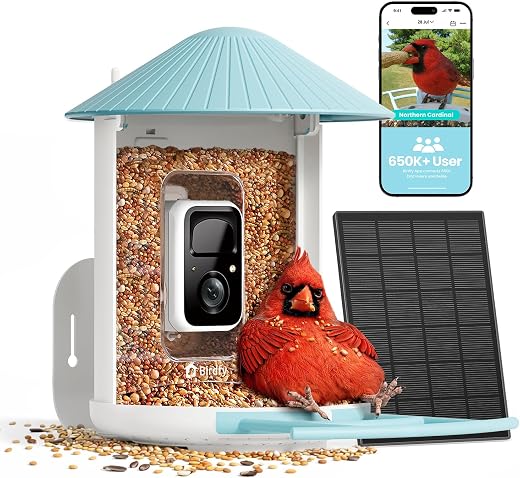
This smart bird feeder is a calm option for someone who enjoys birds, porch time, or slow mornings. It supports a peaceful daily habit without making the gift feel like a direct comment on grief.
- 2K camera for bird watching
- Auto-capture and phone notifications
- Solar powered outdoor setup
- Color night vision for evening activity
- Advanced AI features need subscription
- Requires comfort with app setup
- Camera gift may not suit everyone
Memory Gifts That Feel Private, Not Performative

A digital picture frame can help family life feel present in the home without asking him to sort through old albums alone. This works best when relatives add photos gently over time, not all at once.
- Send photos from anywhere
- Family can add photos too
- Free unlimited storage
- Quick WiFi setup with app
- Requires WiFi and app setup
- Photos may feel too raw at first
- Needs family to add pictures thoughtfully

This photo scanner fits a family that has boxes of printed photos but no easy digital archive. The most caring way to use it is to offer your time too: sit with him, scan a few photos together, and stop before it feels heavy.
- Scans 4×6 photos quickly
- Supports several photo sizes
- Auto crop and deskew tools
- Works with Mac and PC
- Not for slides or negatives
- USB setup may need help
- Photo sorting can feel emotional

This keepsake box is a quieter alternative to public memorial décor. It can hold letters, cards, photos, recipes, or small objects in one private place, which makes it best for someone who values memories but does not want grief on display.
- Wood construction for keepsakes
- Hinged lid with photo frame
- Sized for photos and letters
- Decorative storage for small memories
- May feel too sentimental too soon
- Not ideal for private non-keepsake people
- Photo display may feel too visible
If a scanner feels like too much of a project, a digital frame may be easier for the whole family to keep updated. You can compare that idea with our simple photo gift for parents and grandparents guide before choosing a memory gift.
Practical Home Help for Someone Living Alone

These plug-in motion night lights are a small, practical way to make hallways, bathrooms, stairs, or kitchens easier to move through at night. The gesture works best if you help place them where they are actually useful.
- 360-degree motion sensing
- Adjustable 1–150 lumen brightness
- Useful for hallways and stairs
- Comes as a two-pack
- Needs open wall outlets
- Brightness may need adjusting
- Best placement takes a little thought

This collapsible wagon is most useful when the gesture is practical help with groceries, garden supplies, laundry, or moving things from the car to the house. It fits a father figure who would rather receive useful support than a sentimental display.
- 400 lb stated capacity
- 7 cu ft storage space
- Foldable design for storage
- Large wheels for outdoor use
- Needs storage space when folded
- May be too much for small errands
- Best if he will actually use a cart

This garden tool organizer fits a practical care visit: help him gather loose yard tools, cleaning supplies, or garage items into one easier-to-reach place. It is most thoughtful when you help set it up instead of leaving him another assembly task.
- Steel construction with anti-rust coating
- Four directional wheels for movement
- Works indoors or outdoors
- Stores garden and cleaning tools
- Requires assembly before use
- Needs floor space in garage or shed
- Should be offered with setup help
Food, Warmth, and Everyday Comfort
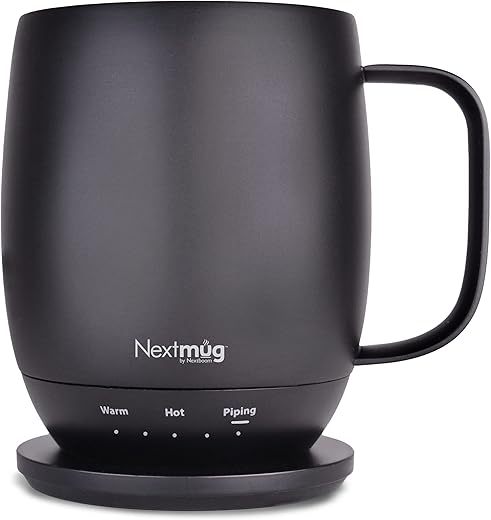
This self-heating mug is a quiet comfort gift for a coffee or tea drinker who takes slow mornings seriously. It works best when paired with a real check-in, not treated as the whole gesture.
- Three temperature settings
- LED battery and temperature display
- Includes charging coaster
- Includes spill-resistant lid
- Works best if he drinks hot beverages
- Needs charging and basic care
- Not a substitute for checking in
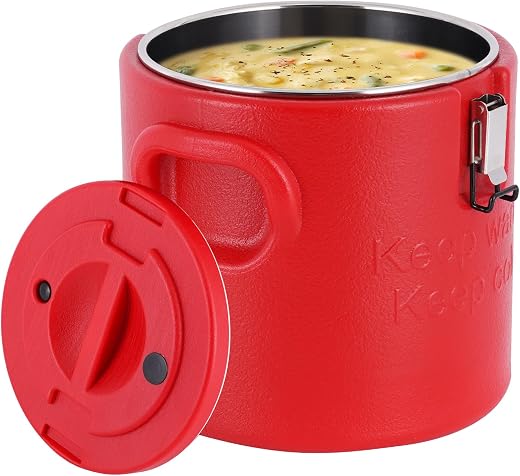
This large insulated soup container is more for the person showing up with food than for the widowed paternal figure himself. It can help you bring soup, stew, rice, or hot dishes when your caring gesture is a real meal drop-off.
- Designed for hot or cold food
- Large-capacity food transport
- Useful for soup and hot dishes
- Made for parties or catering
- More caregiver tool than personal gift
- Large size may be unnecessary
- Not ideal for single small meals

This heated throw is a comfort-focused gift for quiet evenings, reading chairs, or TV time. It should be framed as warmth and everyday comfort, not as something that can solve grief.
- Eight adjustable heating levels
- Eight-hour auto-off timer
- Overheat protection with ETL certification
- Machine washable polyester throw
- Not for unattended or unsafe use
- May not suit people sensitive to heat
- Needs care instructions followed closely
Comfort gifts work best when they make one ordinary moment easier: a warm drink, a simple meal, or a more comfortable evening. For more gentle ideas in this direction, see our guide to self-care gifts for dads, especially if you want something useful without making the gift feel too emotional.
The best choice is not the most impressive product. It is the one that makes your caring gesture easier to repeat.
How These Caring Gesture Options Were Chosen
The goal was not to find the most sentimental gifts. It was to choose items that can support practical, repeatable, low-pressure care for a widowed dad, grandfather, or father figure.
Each product had to support a real action, such as checking in, bringing food, helping with one household task, preserving memories when he is ready, or making a familiar routine easier.
We prioritized items that may reduce friction in daily life, especially when household routines have changed after the loss of a partner.
We avoided gifts that make grief feel public, dramatic, or performative. Any sentimental item should be usable privately and only at his own pace.
Each recommendation considers who it may suit, what should be checked first, and whether the giver is prepared to handle setup, delivery, maintenance, or continuing support.
These recommendations are editorial suggestions, not grief treatment or professional counseling. Use them as gentle starting points, then adjust them to your relationship, his personality, the routines that have actually changed, and what he is ready to receive.
FAQ
What are caring gesture options for a widowed paternal figure?
Good caring gesture options for a widowed paternal figure include practical help, quiet check-ins, food drop-offs, memory support, and small comfort gifts. The best choice depends on his personality and what would reduce pressure rather than create another emotional obligation.
What should I say to a grieving father figure?
Keep it simple and honest. You can say, “I am thinking of you,” “I would like to bring dinner this week,” or “I do not need you to talk, but I am here.” Avoid trying to explain the loss or make him feel better quickly.
What should I not say to someone who is grieving?
Avoid phrases that minimize the loss, such as “everything happens for a reason,” “at least you had many years together,” or “you need to stay strong.” Even if you mean well, these can make him feel corrected instead of supported.
Is it okay to give a gift to a widowed dad or grandfather?
Yes, if the gift is thoughtful, useful, and low-pressure. Practical gifts, food support, photo-sharing tools, or comfort items can be appropriate when they support a real gesture of care. Be more cautious with highly sentimental or public memorial gifts.
What if he says he does not need anything?
Many grieving people say they do not need anything because deciding what to ask for feels hard. Offer one specific option instead of an open-ended question, such as bringing soup, helping with groceries, replacing light bulbs, or stopping by for a short coffee.
How long should I keep checking in after the funeral?
Keep checking in after the first few weeks, when many people naturally return to their own routines. Holidays, anniversaries, birthdays, and quiet ordinary days can all be hard. A simple reminder on your calendar can help you offer steady support over time.
Are memorial gifts a good idea?
Memorial gifts can be meaningful, but they are not always the safest first choice. Choose private memory support, such as a photo frame, scanner, or keepsake box, only if you know he would welcome it. When unsure, practical help is usually gentler.
Steady Support Matters More Than the Perfect Gift
- Choose the gesture before choosing the product
- Keep memory gifts private unless you know he wants more
- Pair practical gifts with real follow-through
- Keep checking in after the first wave of support fades
Steady support matters because grief does not end when the first wave of calls and visits fades. Begin with what has actually changed, offer something specific, and remain willing to follow through. For broader guidance beyond grief support, explore what truly fits Dad’s life before choosing another object, activity, or project for him.